





The smallest cities in the UK: A homebuyer’s guide
St Davids, St Asaph and Wells are cities in name and market towns in scale. We look at the smallest cities in the UK and what...
Buying a new build offers something a resale home cannot: a home nobody has lived in before, finished to a current specification and ready to be made your own from the first day.
Garrington has helped many clients buy new homes over the years, and for many buyers that fresh start is a large part of the appeal.
At the upper end of the market, the new home in question is as likely to be a single plot by a respected local builder, a small scheme on a village edge or a finished barn conversion as a house on a large estate. In each case, buying a new build property means the seller is a business and the contract is the developer’s, which is why a little preparation goes a long way.
This guide covers the process and regulations in England and Wales. Scotland and Northern Ireland have their own conveyancing systems and building regulations, so the steps described here differ there, and buying property in Scotland follows its own sequence.
Buying a new build is usually chain-free, comes with a warranty and follows the developer’s timetable, whereas a resale home brings an established setting and a seller whose own plans shape the pace.
With no onward move on the seller’s side, the purchase can feel refreshingly orderly, with reservation, exchange and completion following a pattern the developer has used many times before. The specification is agreed at the outset, and a new home will normally carry a warranty, which an older house rarely does.
An existing home offers its own pleasures: a garden that has matured, surroundings that are already known and a building whose character has been shaped by years of family life.
Neither route is the better one by default.
Garrington acts for buyers of both, and the right choice comes down to the particular home and the life you want to lead in it.

A new home suits buyers who value warmth, efficiency and low early maintenance, and those who want rooms designed around the way people live now.
Modern insulation and construction standards mean a new house is typically more economical to heat than an older one of similar size, though running costs depend on the design, the heating system and how the home is used. A new build can also offer low-maintenance living, with less need for major repairs or updates in the early years. Kitchens open on to family space, studies, utility rooms and en suite bedrooms are planned in from the start, and buyers who reserve early can often choose the kitchen, flooring and finishes themselves.
The result is a home you can move into and simply enjoy, with weekends spent on the garden or the surrounding countryside rather than on the building.
There are things to weigh alongside that. On larger schemes gardens can be more modest, new planting takes a few seasons to fill out, and later phases may still be under construction nearby.
Reserving a new home secures it for an agreed period in return for a fee, and the buyer is not committed to the purchase until contracts are exchanged.
Developers registered with the New Homes Quality Board must comply with its New Homes Quality Code, which gives buyers welcome protection at this stage. Their reservations carry a cooling-off period of at least 14 days, during which the buyer can change their mind and have the fee refunded, and under the current version of the Code the exchange deadline must be at least six weeks from reservation unless the buyer asks for it sooner.
Registered developers must also provide a schedule of the expected ownership and management costs over the first five years, which makes planning ahead much easier.
For anyone buying a new build, these weeks are the time to go through the legal pack, plans and specification with your solicitor, while there is every opportunity to ask questions and agree changes. Check too for covenants that limit what can be added later, such as an extension, outbuilding or new fencing, and confirm that the developer is registered with the New Homes Quality Board and how the deposit will be protected between exchange and completion.
A solicitor experienced in new build purchases makes this stage smoother, as developers’ contracts and deadlines follow conventions of their own. Developers often suggest conveyancers from their own panel, who know the process well, but the choice of firm remains with the buyer.
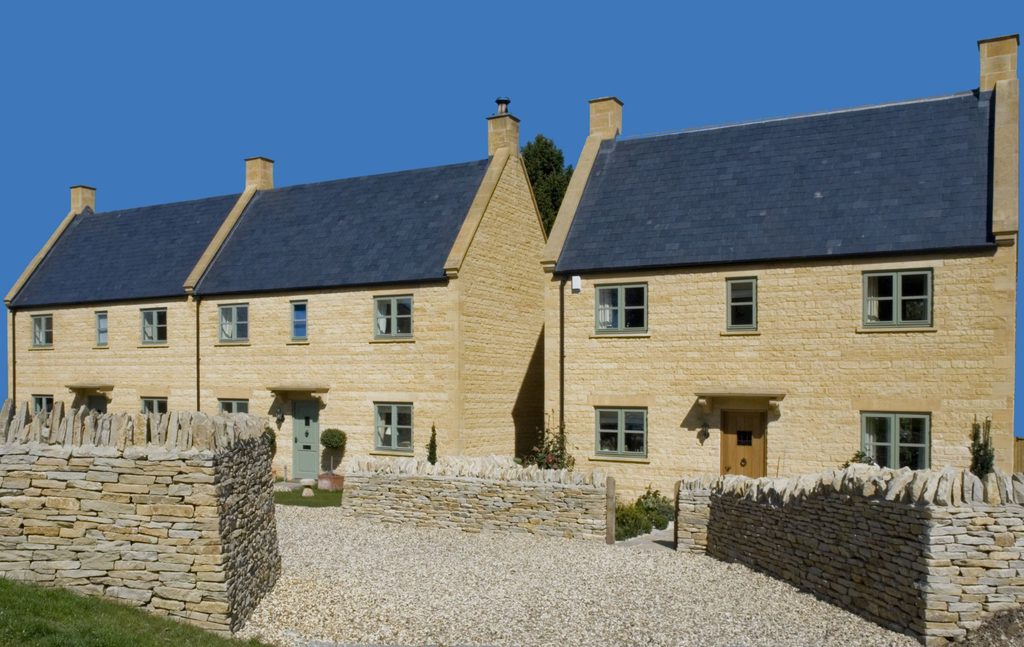
Buying off plan gives you the pick of the plots and often a say in the finishes, and the contract will usually allow the developer some flexibility over the specification and the completion date.
Off-plan contracts commonly allow materials or fittings of a similar standard to be substituted and permit changes the developer regards as minor, so understanding how those clauses are drawn means there are no surprises at handover.
The show home is a guide rather than a promise.
It presents the scheme at its most beautifully dressed, and the specification sheet for your own plot is the document to rely on.
Contracts usually give an anticipated completion date and a later long-stop date, and matching the length of your mortgage offer to that timetable keeps the purchase on track if the build runs a little behind. Your solicitor can also check that the contract sets out clearly what happens if completion is delayed.
When buying a new build on a larger scheme, the plot deserves as much thought as the house type: its orientation, the views it will keep and what is planned for the land next door.
A lender values a new home at its market value, and developers disclose any incentives to the lender, so the price you agree should stand comfortably on the evidence of comparable sales.
In our experience, developers tend to hold the headline price, because each sale sets the evidence for the plots that follow. Extras, upgrades or a contribution towards costs are often easier to secure than a lower figure.
Upgraded flooring, a finished garden or help with moving costs can add real value to the move. How much room there is depends on the stage of the build, the number of plots remaining and how the scheme is selling, and good comparable evidence with a clear sense of what to ask for is part of what a buying agent brings to buying a new build.
Part exchange is another option some developers offer, particularly on larger schemes. The developer buys your existing home, which means buying a new build home without a sale of your own to manage, although the figure offered may sit below what the house could achieve on the open market.
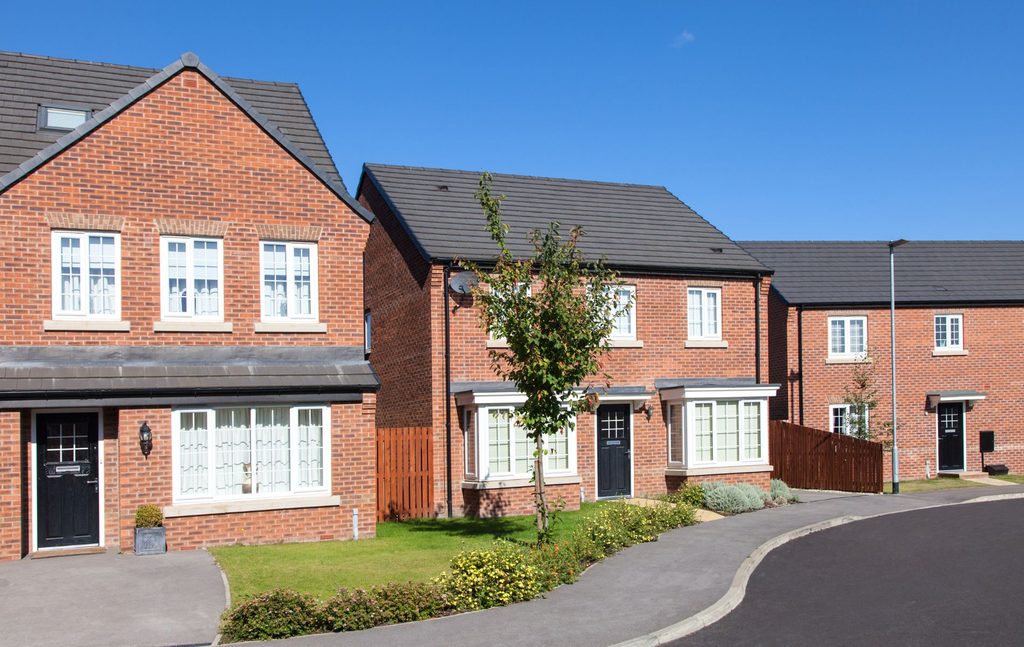
Most new homes come with a ten-year new build warranty, which typically protects the buyer in three stages from exchange onwards.
The main providers include NHBC, whose cover is known as Buildmark, Premier Guarantee and LABC Warranty. Typically the deposit is protected between exchange and completion, the developer puts right any defects in the first two years, and the policy covers specified structural defects from the third year to the tenth, with terms, limits and exclusions that vary between providers.
Deposit protection has a ceiling, so on a higher-value purchase your solicitor can confirm how the full deposit is safeguarded.
One-off houses and some conversions may instead carry a professional consultant’s certificate from the architect or surveyor who oversaw the build, which lenders view differently and which offers narrower cover.
On tenure, the Leasehold and Freehold Reform Act 2024 provides for an end to the sale of new leasehold houses in England and Wales, with limited exceptions, although that ban is not yet in force. Freehold homes on managed estates may carry a charge for shared roads and open spaces, which the five-year cost schedule will set out, while new long leases on flats carry only a peppercorn ground rent and further reform for flats and estate charges has been proposed but is not yet law.
A pre-completion inspection is the chance to walk through the finished home before moving in and agree any final touches while the developer’s team is still on site.
Registered developers must allow one, carried out by the buyer or a suitably qualified inspector using the New Homes Quality Board checklist. An independent inspector knows where to look and what to test, and much like a surveyor’s report on an older house, their findings give you a clear written record to share with your solicitor and the developer.
New build snagging continues after completion. Small things that appear as a house settles, such as a door that begins to stick, are part of the normal rhythm of a new home, and reporting them in writing during the first two years means the developer can put them right.
Should a disagreement arise that the developer’s own complaints process cannot settle, buyers whose developer is registered with the New Homes Quality Board can turn to the New Homes Ombudsman Service, which covers them from reservation until two years after legal completion. The government also plans to place a new homes ombudsman on a statutory footing.
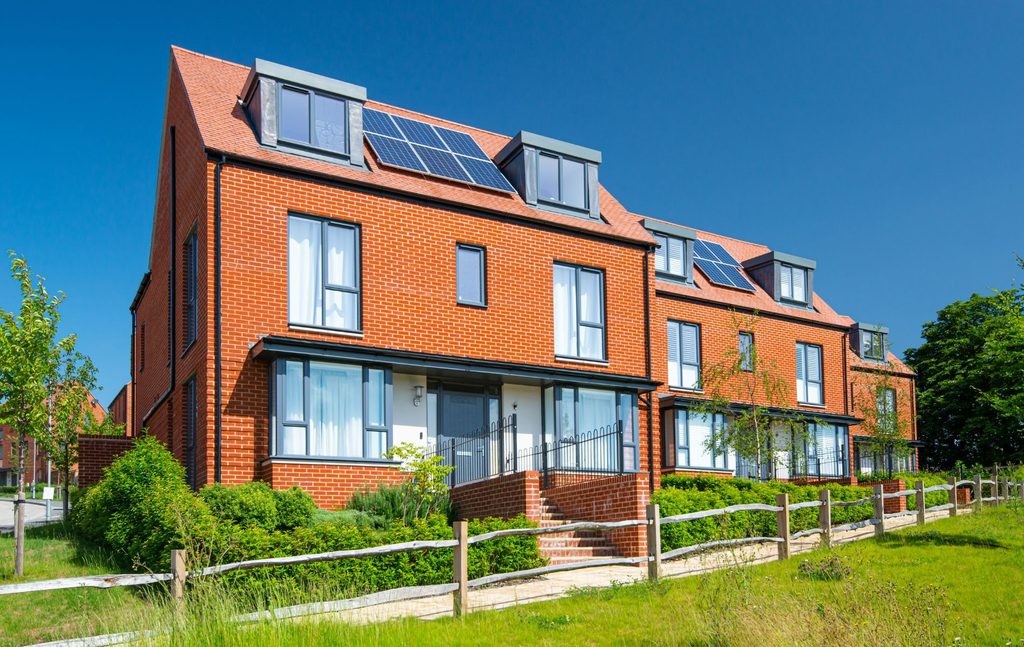
The Future Homes Standard comes into force in England on 24 March 2027, bringing low-carbon heating, usually a heat pump, and solar panels to most new homes, so anyone buying a new build will find it useful to ask which regulations a plot is built to.
Where plans were submitted before that date and building starts before 24 March 2028, a home can still be built to the previous rules, so for a time homes built to both standards will be on sale together, occasionally on the same scheme. For buyers drawn to eco-friendly homes, the answer will shape the heating and energy systems they live with.
The standard applies in England, as Wales, Scotland and Northern Ireland set their own building regulations.
Garrington acts solely for the buyer, helping clients find the right new home and guiding the purchase from the first viewing to the day the keys are handed over.
Our buying agents walk the site and view plots and show homes with you, helping you picture how the surroundings will look once the scheme is finished and giving an impartial view of each plot’s drawbacks as well as its strengths, so the head has as much say as the heart. We carry out thorough due diligence before an offer is made, gather comparable evidence to shape the negotiation on price and extras, go through the inspector’s findings with you before completion, and co-ordinate the solicitor, lender and developer so the timetable holds.
Through local knowledge and our network of industry professionals, we can hear of single plots and small schemes being quietly marketed by estate agents and developers, as well as off-market properties that are never publicly advertised.
If a new home is on your list, we would welcome a conversation about your search. Please get in touch.
Yes, though the room depends on the stage of the build, the plots remaining and how the development is selling. Developers often protect the headline price, so extras, upgrades or contributions to costs can be easier to secure than a lower figure.
With a developer registered with the New Homes Quality Board, a reservation carries a cooling-off period of at least 14 days, during which the fee is refundable. After that, the reservation agreement applies until contracts are exchanged.
Most new homes carry a ten-year warranty from a provider such as NHBC, Premier Guarantee or LABC Warranty. The developer usually puts defects right in the first two years, after which the policy covers specified structural defects, subject to its terms.
A check of the finished home against a standard checklist before completion, so that defects can be put right before moving in. Developers registered with the New Homes Quality Board must allow one, carried out by the buyer or a qualified inspector.
Most are, and the Leasehold and Freehold Reform Act 2024 provides for an end to the sale of new leasehold houses in England and Wales, with limited exceptions, though the ban is not yet in force. Homes on managed estates can still carry estate management charges.
Off-plan contracts usually set an anticipated completion date and a later long-stop date, after which the buyer may be able to withdraw. As delays can outlast a mortgage offer, check how long the offer runs before exchanging.
St Davids, St Asaph and Wells are cities in name and market towns in scale. We look at the smallest cities in the UK and what...
On Thursday 15th October, guests filled The Lansdowne Club in Mayfair to mark 30 years of Garrington, with an...
The best places to live in Surrey each give a buyer something specific: a fast train into Waterloo, a...
When searching for a property with stables, the natural instinct is to begin with the house: the kitchen, the...