



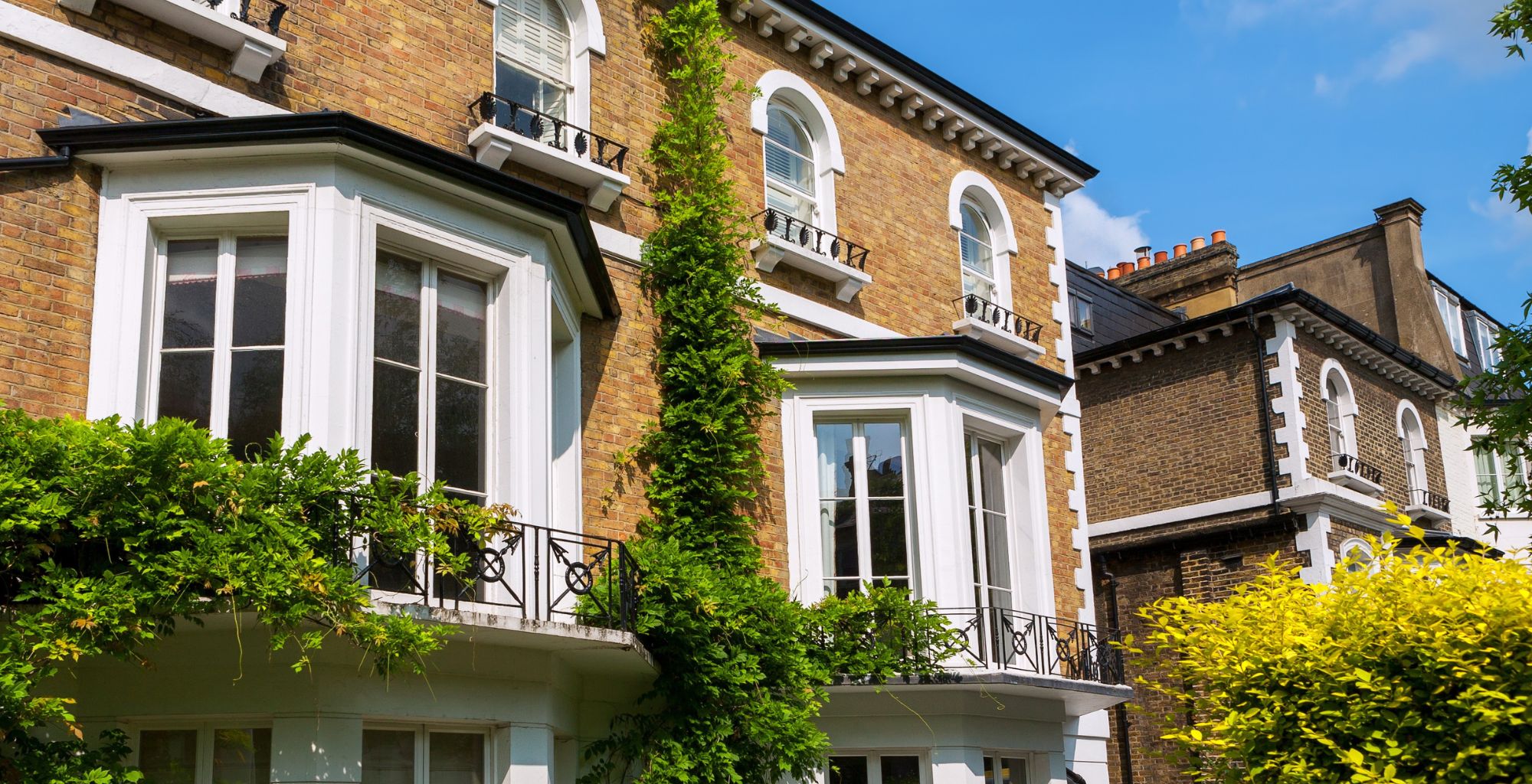
Off-Market Property in the UK: How the Prime Market Really Works
Off-market property in the UK represents one of the least visible yet most consequential parts of any serious property...
Buying land in the UK is an exciting opportunity for those looking to self‑build, enabling individuals to find a plot of land in an ideal location and create a bespoke home.
However, securing the right piece of land is not always as straightforward as purchasing a property through traditional methods.
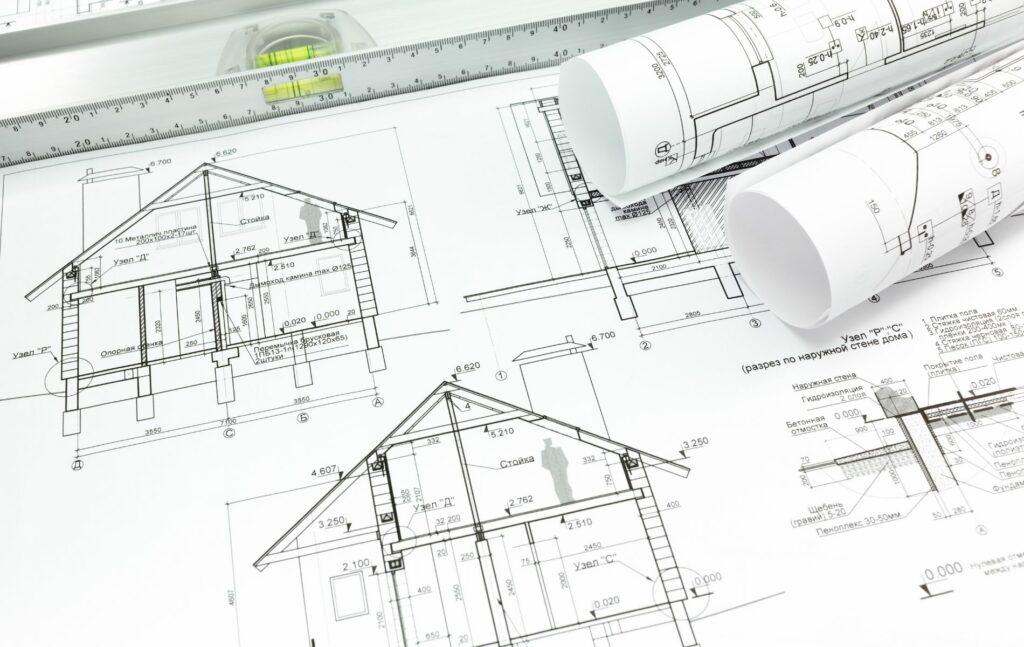
A plot of land or building plot refers to a defined area within a parcel of land. Sales particulars usually include a title plan from HM Land Registry, based on Ordnance Survey mapping, showing the land outlined in red. These plans give a general indication of boundaries and are usually produced at scales suitable for either urban or rural areas.
If you are buying land in the UK it is worth knowing that the terminology used in land sales can often be more complex than that used in residential property listings. Engaging the services of a property finder can provide invaluable assistance in identifying and securing a plot that meets your requirements.

There are two primary types of land available to purchase in the UK:
While it is possible to build on either type of land, planning approval is often more achievable on brownfield sites. While brownfield plots can sometimes be easier to secure planning approval for, they may still face rules on design, density, or the need to deal with contamination. Height and footprint limits can apply in some cases, but these depend on local planning policies rather than being automatic.
UK government policy encourages the use of brownfield land for new housing to help reduce urban sprawl. The latest planning framework gives local councils clear guidance to prioritise these sites, especially where there’s strong demand for new homes. Local authority land assessments often reflect this focus.
Land classifications and planning constraints dictate what can be developed. Key considerations include:

Factors influencing location choice include:
The cost of buying land in the UK varies significantly depending on multiple factors. In addition to location, considerations include:
If you intend to build, obtaining planning permission is essential. Some plots are sold with permission already in place, though these can command higher prices. If changes are needed, additional approval is required.
Using the Planning Portal and consulting a planning expert can help assess the viability of a project.
Buyers should be aware of ransom strips. These are small pieces of land retained by previous owners that may block legal access and can require significant payments to unlock rights of way.
Some plots also lack legally secured access, requiring negotiation with neighbouring landowners. Ensuring unrestricted access is a critical legal check before purchasing any plot of land.
Installing essential services such as roads, drainage, water, electricity, and broadband can be costly. These vary by location and should be budgeted early in the process.
Not all plots receive approval. Local authority policies, protected views, neighbour objections, and environmental concerns can result in refusal. Reviewing historic planning applications and seeking advice can mitigate this risk.
Planning applications may require ecological assessments. Sites home to protected species (e.g., bats, great crested newts) or within Sites of Special Scientific Interest (SSSIs) may face strict development controls.
Using Natural England and DEFRA interactive tools to assess ecological or environmental constraints before purchasing can provide valuable insight.

Commissioning a professional land survey is crucial. Chartered surveyors can identify:
It is prudent to consult the Environment Agency flood map as part of your environmental due diligence.
Hiring an experienced conveyancing solicitor is essential. Key steps include:
Using professionals with local expertise is invaluable in navigating these complexities.

While many of the same principles apply across the UK, Scotland and Northern Ireland operate under their own planning and legal frameworks. In Scotland, the equivalent of outline planning permission is called Planning Permission in Principle (PPiP).
There are also differences in land registration, development rights, and the buying process. Instead of Areas of Outstanding Natural Beauty, Scotland uses National Scenic Areas for similar protections.
Northern Ireland also has its own planning system and rules, which differ from those in England, Wales, and Scotland.
Finding land is often the hardest part of self‑building, as plots are not always listed on major property platforms.
At Garrington Property Finders, we assist clients in sourcing both listed and off‑market land opportunities. Our established relationships with estate agents and deep local knowledge often enable us to identify sites before they reach the open market.
If you are considering buying land in the UK, please contact us without obligation to discuss your land acquisition plans and learn more about our bespoke property‑finding services.
Off-market property in the UK represents one of the least visible yet most consequential parts of any serious property...
Moving to England from America often builds gradually before suddenly becoming real. Whether driven by work, family ties, or...
Selling and buying a house at the same time is something most home movers across the UK will experience,...
You may wonder how buying agents work with estate agents and what differentiates them. At first glance, buying agents,...