Buying a property with stables: A guide to equestrian homes
When searching for a property with stables, the natural instinct is to begin with the house: the kitchen, the...
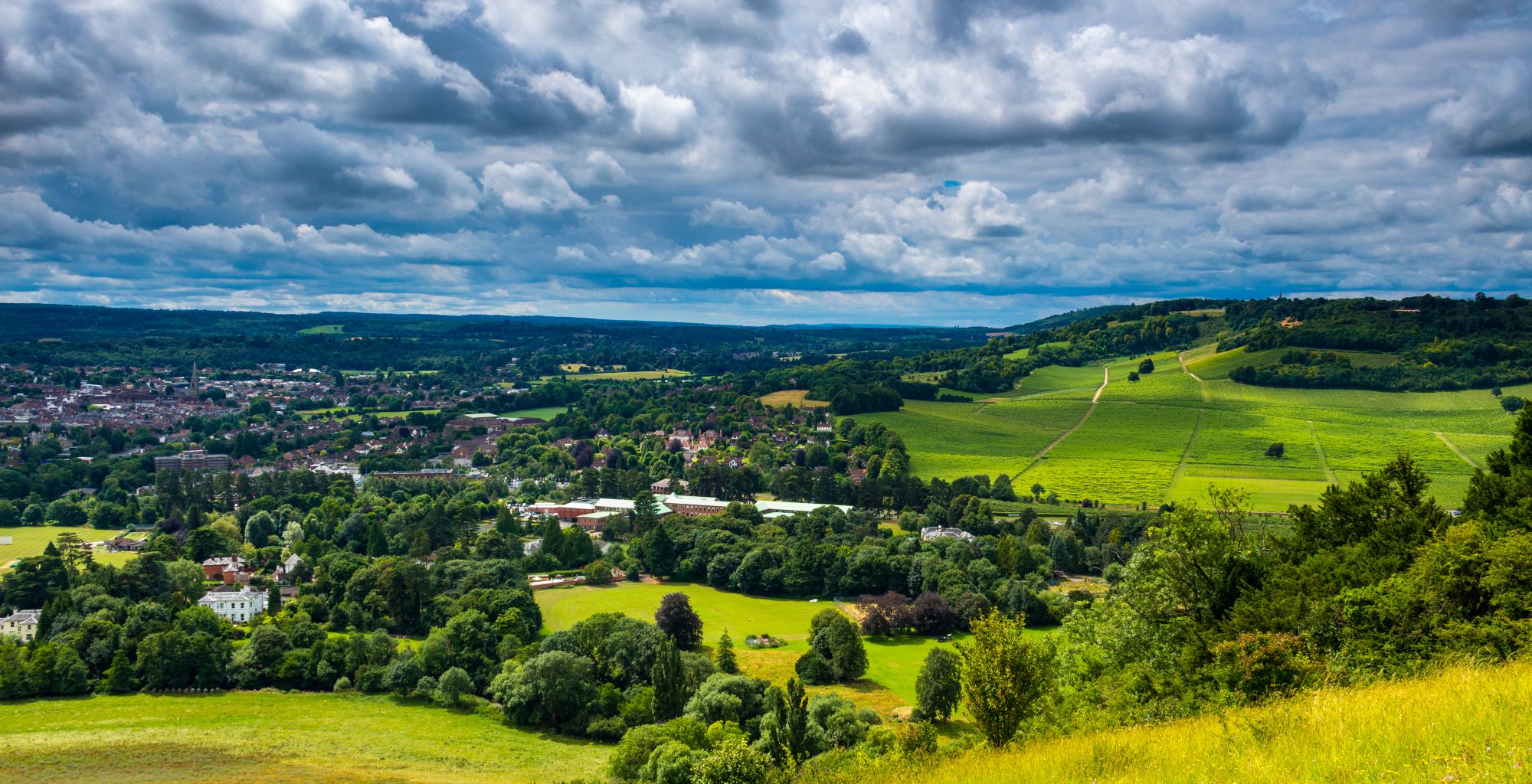
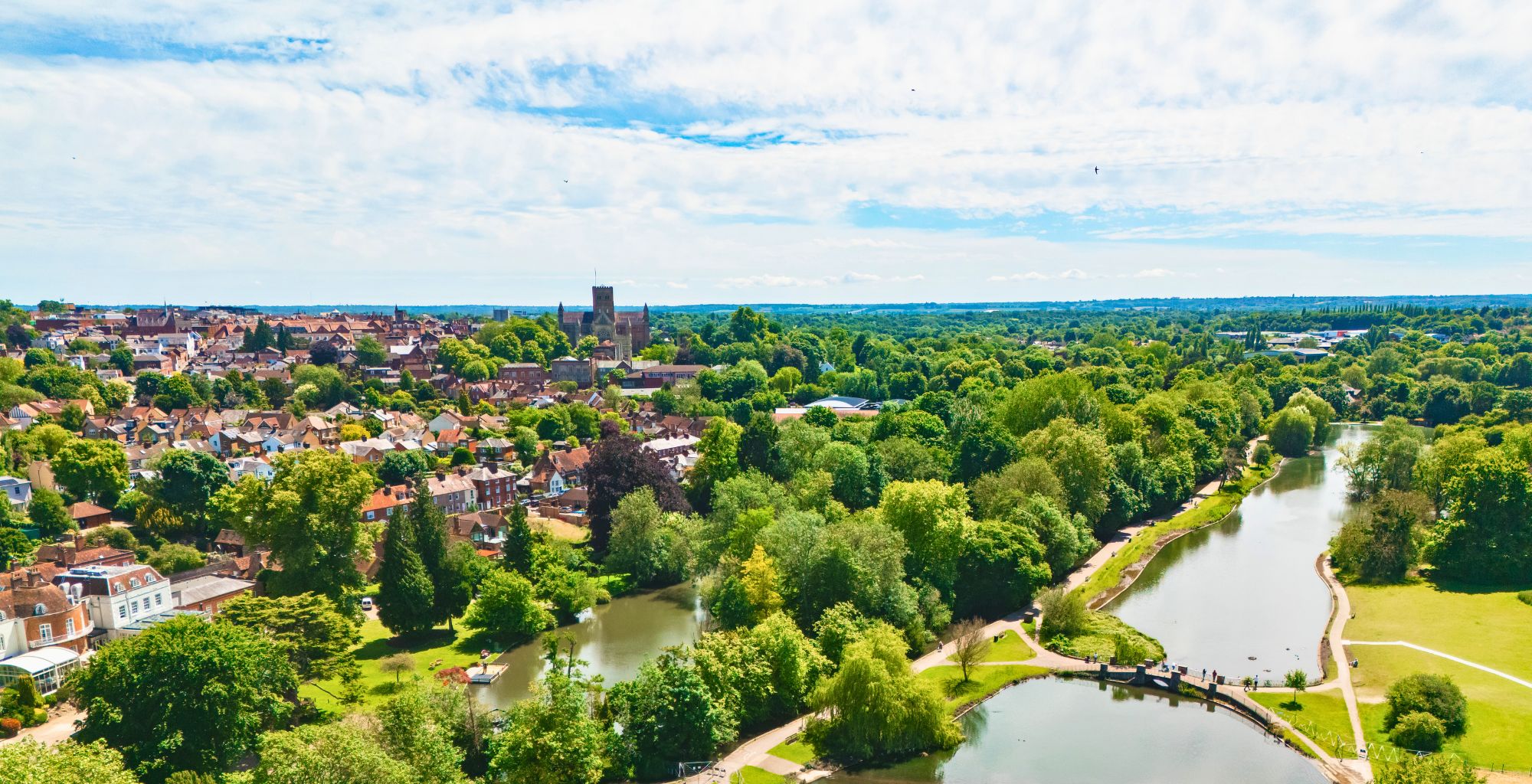
The best places to live in Surrey each give a buyer something specific: a fast train into Waterloo, a house on a private estate, a village green with the Surrey Hills rising behind it.
Few counties hold so much within such easy reach of London. The Surrey Hills National Landscape runs across the middle of the county, rail lines fan out to Waterloo, Victoria and London Bridge, Heathrow and Gatwick sit on either flank, and the choice of independent schools is wide.
Many of the places below featured in Garrington’s Best Places to Live research, which assesses UK towns and villages with a population of 5,000 or more against criteria including natural environment, wellbeing, heritage and culture, schools and connectivity, and value.
Below is a selection of Surrey locations that feature in the research, chosen by Maddy Simpson, Garrington’s buying agent in Surrey, together with seven smaller villages she recommends from her experience as a Surrey property finder.
Surrey makes most sense read as four broad belts rather than borough by borough. Closest to London, north Surrey and Elmbridge take in Esher, Cobham, Weybridge and the Moleseys, a stretch the property market has long called the Golden Triangle.
Here are the private estates, some of the quickest trains into Waterloo and, in our experience, the stiffest competition for the right house.
Several of its towns sit within a half-hour journey into London on the fastest services.
South and east, the North Downs belt runs from Epsom through Ashtead and Leatherhead to Reigate and Dorking. This is downland country, with racing heritage on Epsom Downs and chalk hills above every town. The railway divides here between Waterloo, Victoria and London Bridge, which matters more than buyers often expect.
Guildford and the south-west of the county hold Surrey’s market towns: Godalming, Farncombe, Farnham, Haslemere and Cranleigh, with East Horsley and its neighbouring villages strung along the line east of Guildford. Commutes are longer but often direct, and the Surrey Hills begin where the streets and lanes end.
The fourth belt, Runnymede and Woking, covers Egham, Virginia Water, Woking and West Byfleet. Heathrow is minutes away, Windsor Great Park lies on the doorstep, and Woking has some of the fastest Waterloo services from the west of the county.
Each belt holds some of the best places to live in Surrey, but they trade very differently. In our experience, a buyer’s starting brief settles the belt before it settles the town. Fix the London terminus, the style of house, the school run and the amount of land that matters, and the shortlist tends to draw itself.
The 21 locations below all feature in Garrington’s research, chosen by Maddy to reflect the range the county offers. Read together, they show why the best places to live in Surrey suit such different buyers, from London leavers with school-age children to downsizers looking for a town they can walk around.
Epsom suits buyers who want a town with real history, open downland on two sides and direct trains to both Waterloo and Victoria.
The Derby has been run on Epsom Downs since the 18th century, and the town gave its name to Epsom salts after a mineral spring was found on the common in the 1600s. Georgian and Victorian houses gather close to the centre, while larger detached homes sit around The Ridge and the Woodcote area. Between Epsom and Ashtead lies the RAC’s Woodcote Park, a country club with two 18-hole courses.
Epsom College, an independent co-educational school, and Rosebery School, a state girls’ secondary, are the names families know, with NESCOT for further education. Trains reach Waterloo and Victoria in around 35 to 45 minutes, and the A24 runs to the M25. For buyers who want a town first and countryside second, Epsom remains one of the best places to live in Surrey.
For buyers who want a long-established market town, Godalming offers streets of historic Grade II listed buildings, the River Wey and a direct line to Waterloo.
Elizabeth I granted the town its borough charter in 1575, and in 1881 it was widely credited with the first public electricity supply of any town. The old centre is a run of timber-framed and Georgian buildings protected by several conservation areas, while the Godalming Navigation carries the Wey past water meadows on the edge of town.
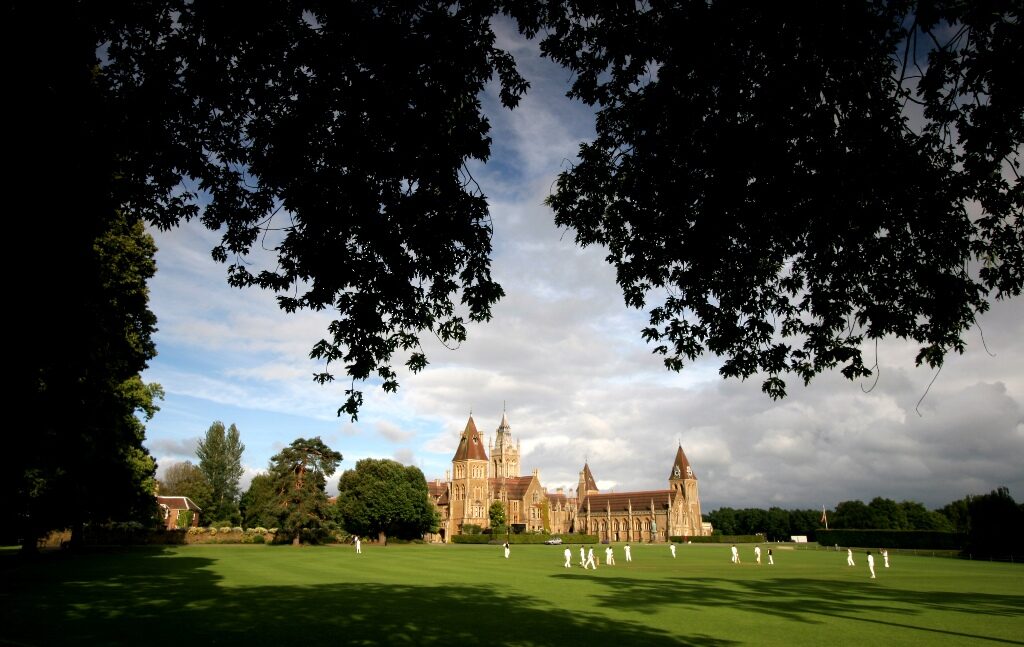
Charterhouse moved here from London in 1872 and still frames the northern hillside. Prior’s Field, an independent girls’ school, and Godalming College complete the picture. Guildford lies about four miles north along the A3, the National Trust’s Winkworth Arboretum is a short drive south-east, and trains on the Portsmouth line reach Waterloo in roughly 40 to 50 minutes.
Farncombe gives buyers Godalming’s schools and countryside at a smaller scale, with a station and a parade of shops of its own.
Effectively continuous with Godalming to the south, Farncombe keeps a separate identity built around its station, its parade and streets of Victorian terraces and cottages. For couples and young families leaving London, the combination often works well: period houses of a manageable size, a short walk to the train, and Godalming’s wider range of shops and schools a mile or so away.
Broadwater Park and its lake give the north of the village a sizeable green space. On the Godalming Navigation, Farncombe Boat House hires out narrowboats and canoes, which turns the river into something residents use rather than simply look at. Trains on the Portsmouth line run direct to Waterloo.
Reigate is a characterful market town for buyers who want trains to Victoria and London Bridge, Gatwick within easy reach and the North Downs rising directly behind.
The Old Town Hall of 1728 still anchors the Market Place, and the grounds of Reigate Castle hide the Barons’ Cave beneath them. Priory Park, one of the larger town parks in the county, spreads out beside Reigate Priory. To the west, Reigate Heath is a Site of Special Scientific Interest of heath and acid grassland. Above the town, Reigate Hill and Colley Hill, both National Trust land, give Reigate its skyline and its Sunday walks.
Reigate Grammar School, founded in 1675, and Dunottar School are the independent names, and Reigate College serves the sixth form years. The station runs to both London Bridge and Victoria, Junction 8 of the M25 is moments away, and Gatwick is close enough for an early flight without a hotel the night before. Buyers who fly often count it among the best places to live in Surrey.
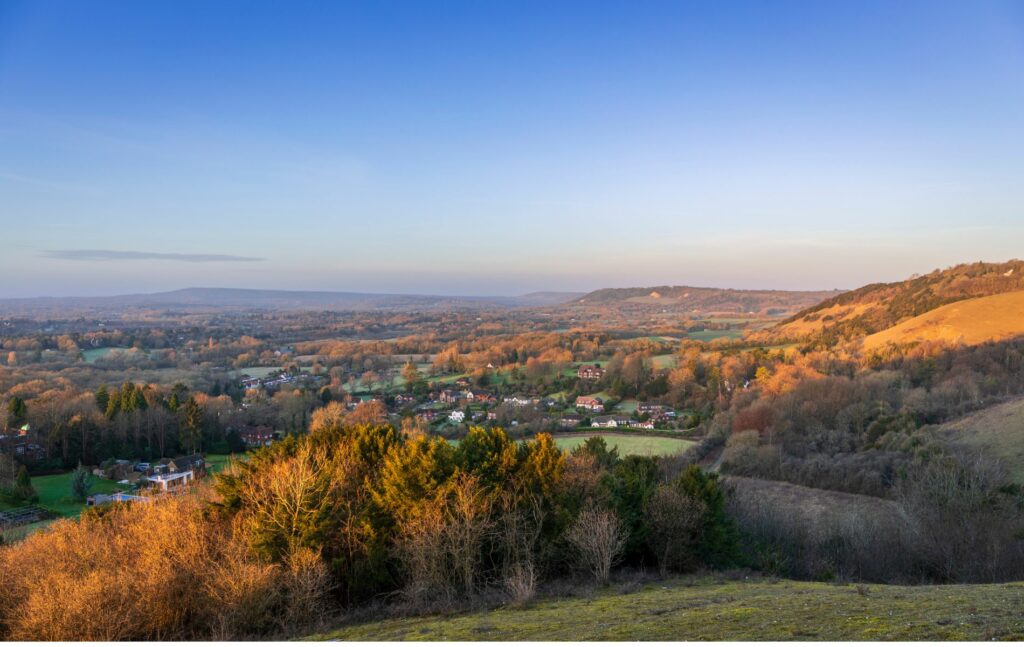
Georgian architecture, a creative streak and open heath on the Hampshire border make Farnham a natural choice for buyers who can live with Waterloo around an hour away.
Castle Street, broad and almost entirely Georgian, climbs towards Farnham Castle, a 12th-century seat of the Bishops of Winchester that looks out over Farnham Park. The town’s long craft tradition continues through Farnham Maltings and the University for the Creative Arts, and Lion and Lamb Yard gathers independent shops around a courtyard.
South of town, Frensham Great Pond has a sandy shore, Frensham Little Pond is quieter, and Bourne Woods is a regular film location whose credits include Gladiator. Frensham Heights, Edgeborough and More House are the independent schools nearby, with South Farnham School at primary level. The A31 and A3 provide road links, and trains reach Waterloo in around an hour.
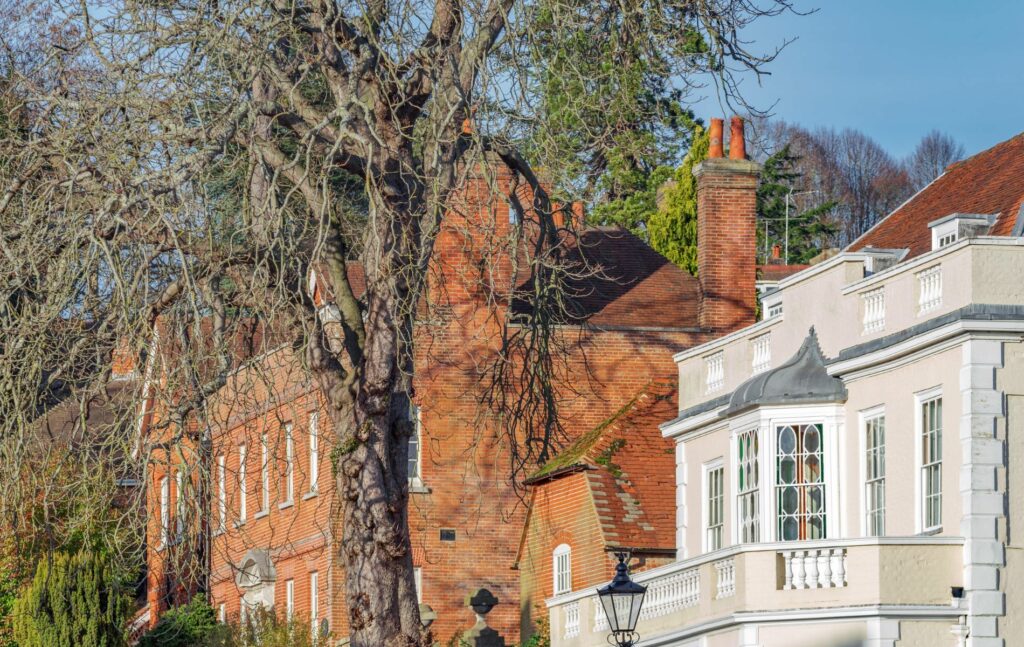
Guildford works for buyers who want the amenities of a large town, fast trains to Waterloo and the Surrey Hills starting at the edge of the streets.
The cobbled High Street, with the Guildhall clock hanging over it, runs down to the River Wey, and the Norman keep of Guildford Castle stands in gardens just off it. On Stag Hill, Guildford Cathedral, consecrated in 1961, can be seen for miles. The University of Surrey brings a younger population, and culture comes from the Yvonne Arnaud Theatre and G Live.
The Royal Grammar School, a 16th-century foundation, Guildford High School and Tormead (both for girls) and Lanesborough prep are the independent names buyers ask about. Fast trains reach Waterloo in around 35 minutes, and the A3 joins the M25 a few miles north. Buyers looking in Guildford often weigh the period streets near the centre against larger houses on the edges of town and in nearby Shalford.
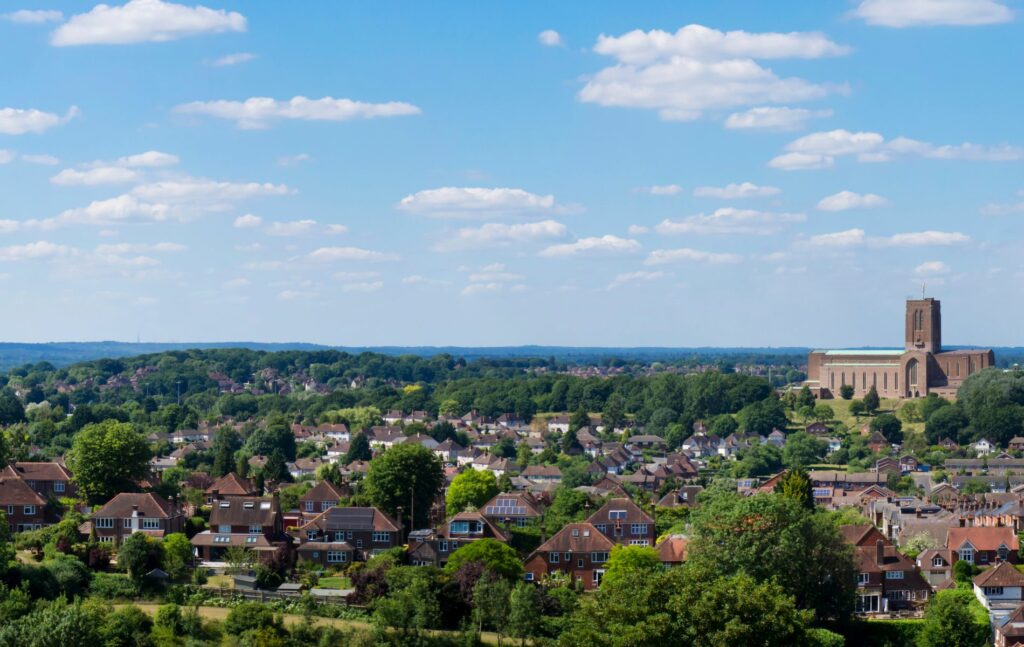
Buyers who want space and privacy close to the M25 tend to look first at Cobham, a large village whose centre still feels like one. Its high street has a well-regarded mix of shops and restaurants.
Cobham grew from three settlements, Street Cobham, Church Cobham and Downside, and the River Mole winds between them. Painshill, an 18th-century landscape garden with a crystal grotto, lies on the western edge, and Claremont Landscape Garden sits towards Esher.
Much of the housing is on gated developments and private roads. Next-door Oxshott adds the Crown Estate and the sand and pine of Oxshott Heath, and the two places between them hold several of Surrey’s private estates. ACS Cobham International School, Reed’s School and Danes Hill in Oxshott are the schools most often mentioned.
Cobham & Stoke d’Abernon station reaches Waterloo in around 35 to 40 minutes, and the A3 meets the M25 at Junction 10. For buyers who put privacy first, Cobham is one of the best places to live in Surrey.
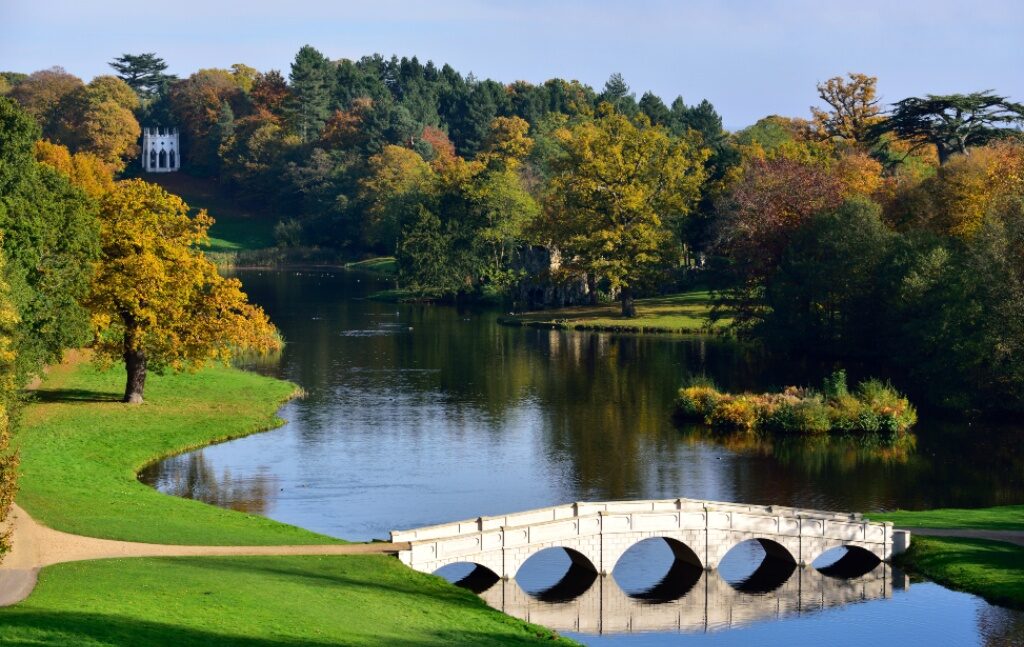
Haslemere appeals to buyers who want high, wooded countryside and a small town of character, with direct trains to Waterloo and three counties meeting nearby. Surrey’s southernmost town sits where the county meets West Sussex and Hampshire, and its High Street is lined with tile-hung and timber-framed buildings.
Haslemere pairs a well-established cultural life with countryside that begins at the end of the High Street.
The Haslemere Educational Museum was founded in 1888, and the Haslemere Festival has a long association with early music. Black Down, with long views south across the Weald, rises to the south-east. To the north-west lie Hindhead Common and the Devil’s Punch Bowl, quiet since the A3 was moved into the Hindhead tunnel in 2011.
Swan Barn Farm, a short walk from the centre, marks the start of the Serpent Trail. Woolmer Hill School and St Ives School are the local anchors, and faster trains reach Waterloo in under an hour, putting the town comfortably within an hour of London.
Esher is a smart small town for buyers who want trains to Waterloo in under half an hour and parkland on the doorstep.
The High Street is short and well kept. Claremont Landscape Garden, the National Trust’s 18th-century garden and lake, lies on the town’s southern edge, with Sandown Park Racecourse to the north. Esher Common stretches west towards Oxshott, open heath and woodland cut through by the A3.
Claremont Fan Court and Milbourne Lodge are the independent schools, with Esher Sixth Form College for the later years. A mile or two east, Claygate has a village centre and its own station to Waterloo, which can suit buyers who want Esher’s position with a quieter high street. With the A3 and M25 a few minutes away, it is one of the best places to live in Surrey for buyers who travel into London by road as well as rail.
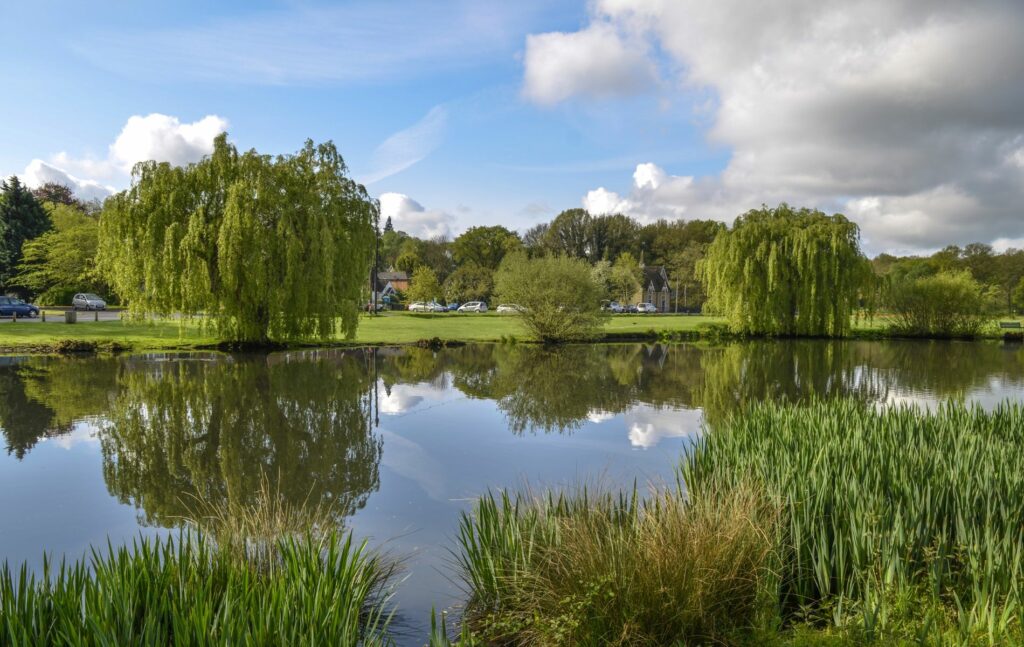
West Molesey offers riverside living near Hampton Court, with a quieter, residential feel and East Molesey’s shops a short walk away.
The two Moleseys share a stretch of water where the Mole and the Ember meet the Thames. West Molesey is the more residential of the pair, with Hurst Park running along the river and Molesey Lock a favourite with walkers and paddleboarders.
East Molesey’s Bridge Road has independent shops and restaurants leading to Hampton Court Bridge, and across it Hampton Court Palace and Bushy Park are minutes away on foot. Each summer the RHS Hampton Court Palace Garden Festival brings visitors from across the country. Hampton Court station, in East Molesey, has trains to Waterloo in around 35 minutes, and the A308 leads to the A3 and M25.
Leatherhead pairs quick access to the M25 with the Surrey Hills on its doorstep, at the point where the River Mole cuts through the North Downs.
The town sits where the Mole leaves the Mole Gap, and within a few miles lie Box Hill and Norbury Park, two of Surrey’s best-known walking areas. Beaverbrook, the hotel and estate at Cherkley Court, lies on the edge of town. The old centre keeps a number of listed buildings and The Leatherhead Theatre, while Fetcham and Great Bookham, on its western side, add village streets and larger family houses.
St John’s School and Downsend are the independent names, and Therfield School is the local state secondary. Trains reach Waterloo and Victoria in under an hour, and the A24 meets the M25 at Junction 9. For buyers who drive more than they commute, the town’s road links are a practical advantage.
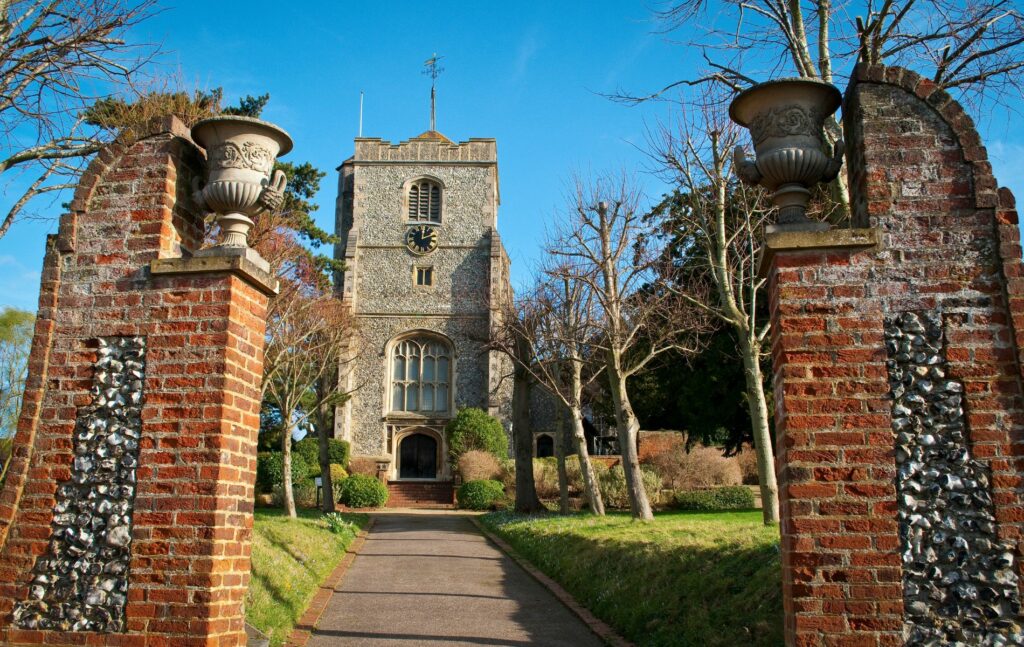
For buyers who want a market town inside the Surrey Hills, Dorking, at the foot of the North Downs, brings together three stations and serious walking country from the front door.
Box Hill rises to the north and Leith Hill, the highest point in Surrey, to the south-west. West Street has long been known for its antique dealers, Dorking Museum keeps the local history, and Denbies Wine Estate, one of England’s largest single-estate vineyards, covers the slopes just outside town.
The Ashcombe School is the state secondary, and Box Hill School, in Mickleham, the independent option. Three stations, Dorking, Dorking Deepdene and Dorking West, give a choice of Waterloo, Victoria and the Guildford to Reading line, while the A24 and A25 cross here. For buyers who want the Hills without giving up a town, Dorking is one of the best places to live in Surrey.
Ashtead is a large, well-served village between Epsom and Leatherhead, a good fit for families who want a station, quick access to the M25 and an ancient common. The village’s great asset is Ashtead Common, a national nature reserve of ancient pollard oaks, some of them several centuries old, managed by the City of London Corporation.
Ashtead shows how a commuter village can keep its countryside close.
The village itself stretches along the A24, with a parade of shops, cafés and everyday services, and larger houses on the roads rising towards the Downs. The City of London Freemen’s School has been based in Ashtead Park since 1926, and West Ashtead Primary and The Greville Primary are the state primaries. RAC Woodcote Park lies just to the north-east. The station has direct trains to Waterloo, and Junction 9 of the M25 is a few minutes away.
Tadworth gives buyers downland space and a village setting above Epsom Downs, with trains to London Bridge and the M25 a short drive away.
The village sits on the North Downs beside Epsom Downs Racecourse. On race days the Downs fill; the rest of the year they are open walking country with long views north towards London. The open ground continues into Banstead Woods and the National Trust’s Headley Heath, while Walton Heath Golf Club lies at neighbouring Walton-on-the-Hill and the private roads of Kingswood are close by.
Housing runs from period cottages to larger family houses on generous plots. Chinthurst School and Aberdour School are the independent preps. Tadworth station has direct trains to London Bridge, and the A217 reaches Junction 8 of the M25.
Weybridge suits buyers who want a riverside town within easy reach of London, with trains to Waterloo in around half an hour and a famous private estate on its edge.
The Wey meets the Thames here, and the Wey Navigation begins at Thames Lock. Brooklands, the world’s first purpose-built motor racing circuit, opened in 1907 and is now Brooklands Museum, which also tells the story of the aviation industry that grew up on the site.
St George’s Hill, a private estate laid out in the early 20th century around its golf club, gives Weybridge its reputation at the top of the market. Heathside School is the state secondary and Brooklands College offers further education, while St George’s College, a Roman Catholic foundation, sits on the edge of town towards Addlestone. With the A3 and Junction 11 of the M25 nearby, it is one of the best places to live in Surrey for buyers who want space and quick access to London in equal measure.
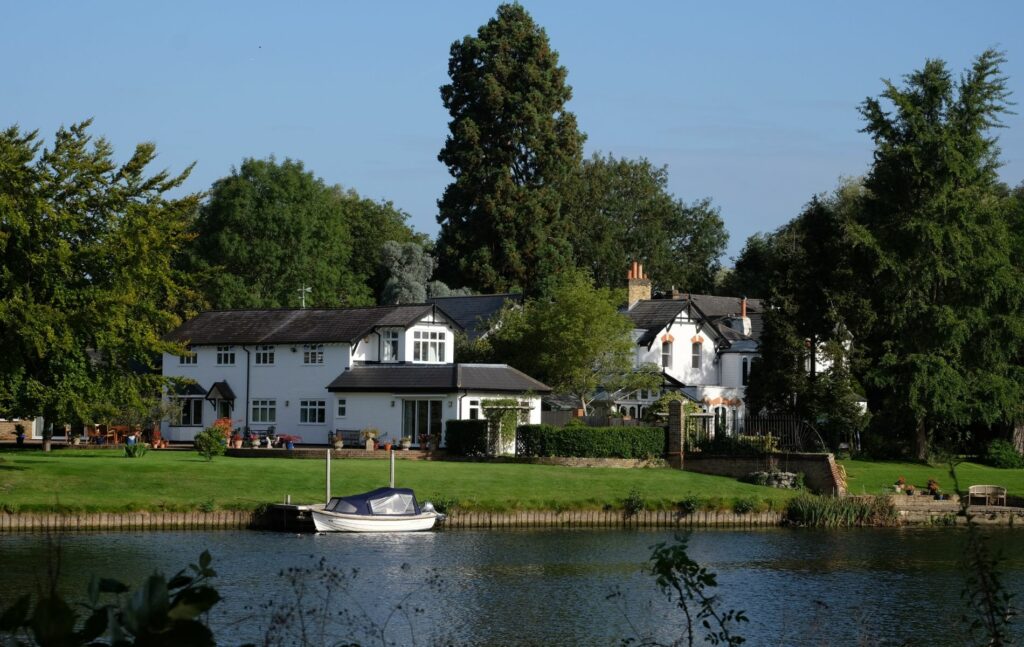
History, a university and Heathrow within minutes make Egham a strong choice for buyers who want Windsor Great Park next door.
Runnymede meadows, where Magna Carta was sealed in 1215, run along the Thames just west of town, with the American Bar Association’s memorial and the John F. Kennedy Memorial nearby. On Egham Hill, Royal Holloway, University of London, is dominated by its Victorian Founder’s Building, and Englefield Green gives the area a village quarter around its large green. The Savill Garden and Windsor Great Park adjoin.
Strode’s College serves the sixth form years, Sir William Perkins’s School for girls is nearby in Chertsey, and ACS Egham International School is on the edge of town. Trains on the Waterloo to Reading line take around 35 to 40 minutes, and Junction 13 of the M25 is moments away.
Virginia Water draws buyers looking for privacy, generous plots and international connections, with the Wentworth Estate, Windsor Great Park and Heathrow all close.
The Wentworth Estate was laid out in the 1920s around what is now Wentworth Club, and its houses on large, wooded plots attract buyers from overseas as well as from London. Virginia Water Lake, created in the 18th century, lies within Windsor Great Park on the village’s north-western side, with the Valley Gardens and a towering Canadian totem pole close to its banks.
The village centre is small and practical, the mainline station runs to Waterloo, and the M25 and Heathrow are minutes away. ACS Egham International School is a short drive. Property in Virginia Water tends to divide between the estate itself and the quieter roads around the village centre.
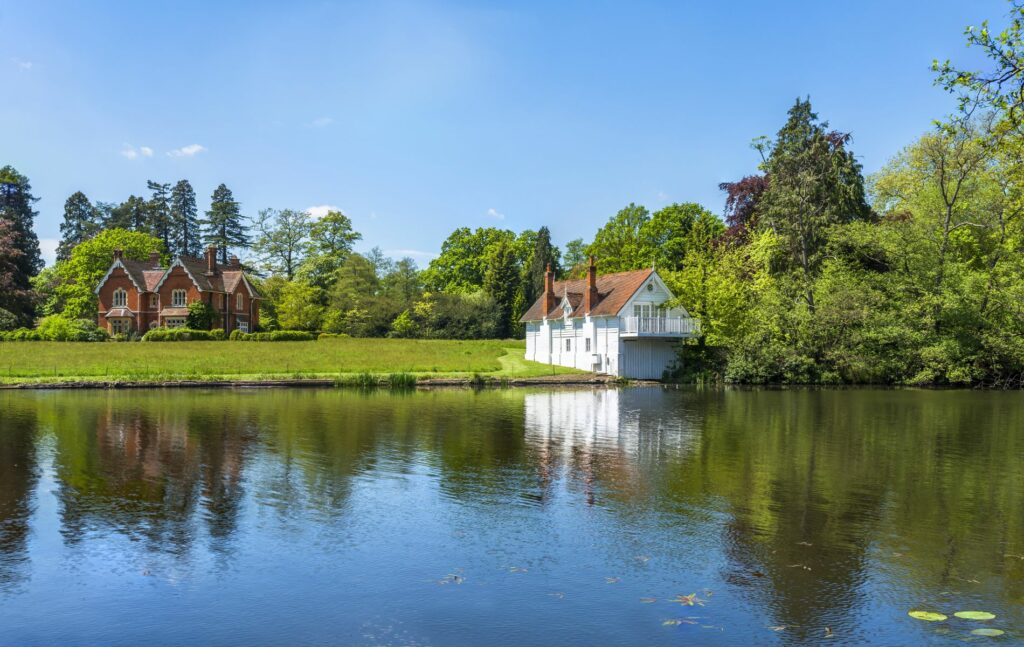
Woking is a natural choice for buyers who want some of the fastest trains to Waterloo in the county, with larger period houses in the villages on its southern and western edges.
H.G. Wells wrote The War of the Worlds while living here, and a Martian tripod sculpture stands in the town centre. The Shah Jahan Mosque, built in 1889, was the first purpose-built mosque in Britain, while The Lightbox gallery and the New Victoria Theatre anchor the town’s cultural life.
The contrast in housing is sharp: apartments close to the station, larger period houses in Hook Heath, Horsell, Mayford and Pyrford. Horsell Common, where Wells landed his Martians, and the Basingstoke Canal offer green space, and RHS Garden Wisley is a short drive east. Woking College serves the sixth form years and Hoe Bridge is the independent prep in Pyrford. The fastest trains reach Waterloo in around 25 minutes, and the A3 and M25 are easily reached.
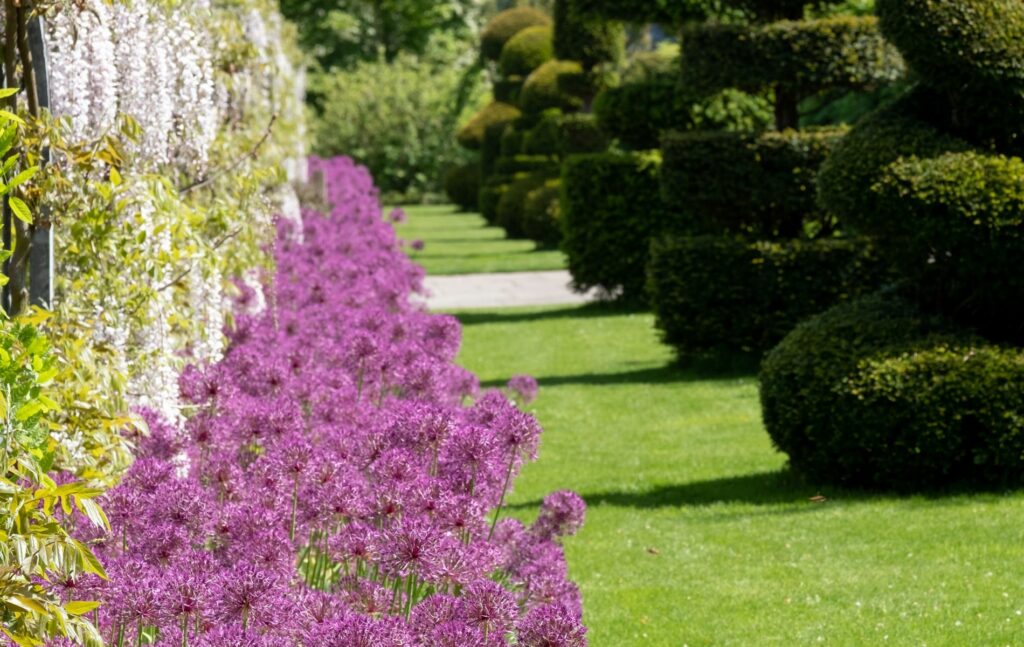
A compact village centre, a station to Waterloo and towpath walks on two waterways make West Byfleet an easy place to live.
The village grew up around its railway station, which opened in 1887, and the centre remains compact: a few streets of shops and cafés rather than a long high street. What surrounds it is the real draw. The Basingstoke Canal runs along one side and the Wey Navigation along the other, and in neighbouring Pyrford the lock and the ruins of Newark Priory make a fine stretch of river to walk.
West Byfleet proves that a station village can sit between two waterways and still feel quiet.
Fullbrook School in New Haw is the nearby state secondary, and Hoe Bridge is the independent prep in Pyrford. The station has direct trains to Waterloo, and the A3 and M25 are a short drive away.
Cranleigh offers village life on a large scale, with a long high street, a cricket common and the Surrey Hills all around.
It is often described as England’s largest village, and its high street supports a range of shops and services that most villages cannot. The railway closed in 1965, and the old trackbed now carries the Downs Link path north towards Guildford and south towards the coast. Cranleigh Arts Centre keeps a programme of film, music and theatre.
Cranleigh School, a co-educational day and boarding school founded in 1865, with its own prep school and pupils up to 18, sits on the edge of the village. Glebelands School is the state secondary, and St Joseph’s Specialist Trust caters for pupils with additional needs.
Guildford is about eight miles north on the A281, and residents use Guildford and Horsham stations for London. For buyers who work largely from home, Cranleigh shows that one of the best places to live in Surrey can be a place without a station.
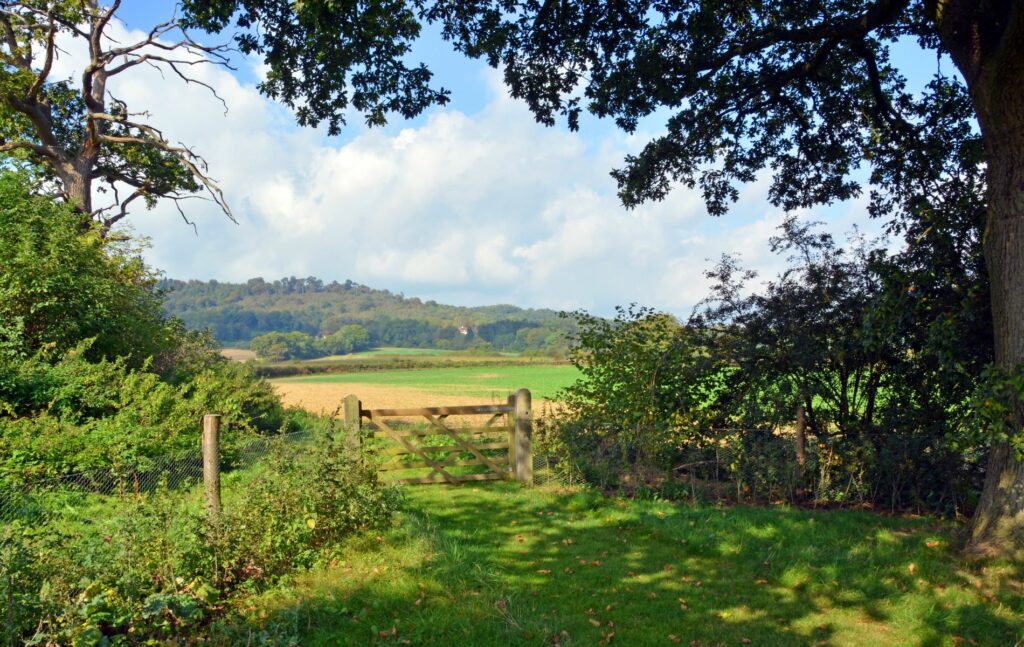
Worcester Park, Stoneleigh and Ewell suit buyers who want to stay close to London, with four stations, Nonsuch Park and family houses on quiet suburban streets.
The three sit on the boundary between Surrey and Greater London. Nonsuch Park, on the site of Henry VIII’s Nonsuch Palace, is the shared green space, and Ewell keeps a historic village centre, the source of the Hogsmill River and Bourne Hall. Stoneleigh is largely made up of 1930s streets around its Broadway, while Central Road gives Worcester Park its shops.
Glyn School, a state boys’ school, and Nonsuch High School for Girls, a selective state school in Cheam, are the names families ask about, with NESCOT for further education. Worcester Park, Stoneleigh and Ewell West stations serve Waterloo, typically in around 30 to 35 minutes, and Ewell East serves Victoria.

Garrington’s research covers places with a population of 5,000 or more, which leaves many of Surrey’s smaller villages outside its scope. Some of the best places to live in Surrey are among them. The seven below are Maddy’s own picks, chosen because they come up in her searches again and again, and several are villages of the Surrey Hills. One, Crondall, lies just over the border in Hampshire and is included for its closeness to Farnham.
Ripley combines a large village green and an old coaching street with Woking’s fast trains a short drive away. The village was a stop on the London to Portsmouth road until the A3 bypassed it, and in the late 19th century it became a favourite destination for cyclists riding out from London.
Cricket is played on the green in summer, and the high street has a mix of shops, cafés and restaurants. Newark Priory’s ruins stand beside the Wey, RHS Garden Wisley is a few minutes’ drive away, and Woking station handles the London commute.
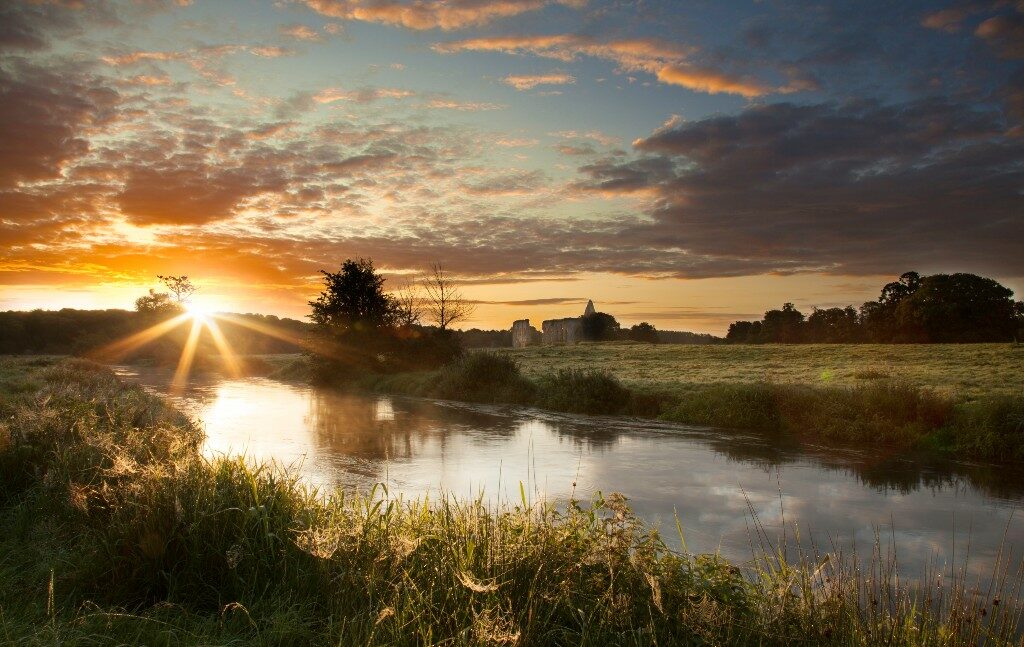
Period cottages, a cricket pitch, pubs and a café frame the green at Shamley Green, a short drive from Guildford. The village lies in Wonersh parish within the Surrey Hills National Landscape. The Downs Link path passes the edge of the village, making car-free walks and rides an everyday option. For wider shopping and schools, Cranleigh lies to the south-east and Guildford to the north.
Heathland on one side and the A3 and M25 within minutes on the other give Ockham, a scattered rural parish, an unusual balance. The village is traditionally held to be the birthplace of William of Ockham, the medieval philosopher remembered for Ockham’s razor.
All Saints’ Church has a rare 13th-century east window of seven lancets. On Ockham Common, the Chatley Heath Semaphore Tower, once part of a chain relaying messages between the Admiralty and Portsmouth, rises above the pines.
Shere pairs timber-framed cottages with walks that start from the front door, and the Tillingbourne runs through the middle of it. St James’s Church is Norman in origin, the small Shere Museum records village life, and film crews return regularly; The Holiday is among the productions shot here. The Silent Pool and Newlands Corner are both within a short drive, and Gomshall station, a mile or so east, is on the North Downs line, with connections at Guildford for London.
For many buyers, Shere is the village they picture when they think of the best places to live in Surrey. Its small centre also has a handful of independent shops.
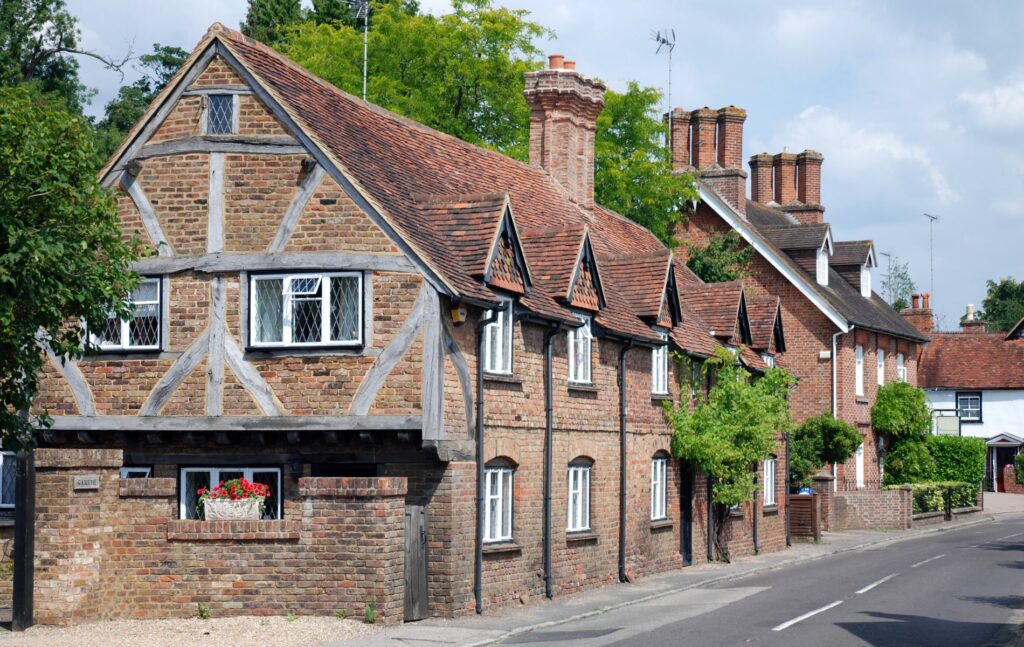
A shop, pubs, a school and a surgery keep Chiddingfold a working village, set around a green and pond lined with Georgian houses. In the medieval period the village was a centre of English glassmaking, and its bonfire night celebrations have long drawn crowds from well beyond the parish. Walks run out into the Weald from the edge of the green, and Haslemere and Witley stations are both nearby for London.
Just over the border in Hampshire, about three miles west of Farnham, Crondall has a full set of everyday amenities. Tudor and Georgian houses line its streets, and All Saints’ Church, Norman in origin, has a 17th-century brick tower. The village has a shop, hall, school, surgery and pubs, as well as Penn Croft vineyard and winery, and its calendar of events runs through the year. Farnham supplies the larger shops, the secondary schools and the Waterloo line.
Open heath and the river set the tone in Tilford, a small village a few miles south-east of Farnham. Two medieval bridges cross the branches of the Wey either side of the cricket green, and the Rural Life Living Museum keeps the area’s farming history. Houses range from cottages around the green to larger properties set back along the lanes. Hankley Common and Frensham offer walking and riding, and Farnham, about three miles away, provides shops, schools and trains.
Knowing the best places to live in Surrey is only half of a search. A Surrey buying agent earns their place by understanding how this particular county trades, and in our experience four patterns shape most searches here.
The first is privacy. On estates such as St George’s Hill, Wentworth and the Crown Estate in Oxshott, houses can be sold privately, off-market, and some never appear online at all. Relationships with owners and selling agents matter a great deal there.
The second is the station. Houses within walking distance of a fast train tend to attract strong competition, and part of the work is showing a buyer where a village one stop further out meets the brief just as well, often with more garden and less contest. Timetables change, so the journey times in this guide should be checked against current services before deciding on a location.
Schools are the third. Demand around the best-known schools is consistent, but admissions arrangements differ from school to school and are worth checking individually rather than assumed. Catchment boundaries are reviewed periodically by the local authority and can change, so buyers should confirm current boundaries directly with the school or council before purchasing. The last is judgement.
North Surrey tends to offer time and the south tends to offer land, and most briefs come down to deciding which matters more.
Maddy grew up on the Surrey and Hampshire border and returned to the area to raise her family, so her knowledge of the county is personal as well as professional. As a Surrey property finder, Garrington acts only for the buyer, from settling on the right area to negotiating terms. Local relationships can help shorten that process, and local experience brings an understanding of each area’s nuances and of what really matters to a client when assessing a property.
Many of the towns in this guide are featured in Garrington’s Best Places to Live research, and the interactive tool lets you compare them on the same criteria, from natural environment to schools and connectivity. It is a useful place to begin. The decision itself usually rests on local knowledge.
That is where Maddy and her team come in. Working as a Surrey property finder across the county, from Elmbridge’s riverside towns to the smallest villages of the Surrey Hills, she sees how the best places to live in Surrey differ in ways that never show up in a listing: the walk to the station on a winter morning, the road that floods, the village where houses rarely reach the open market.
The difference between a good address and the right one often comes down to timing, access and advice. If you are considering a move to Surrey, we would welcome a conversation about your plans. Please get in touch.
Woking, Esher, Weybridge and Guildford offer some of the quickest journeys into Waterloo, while Reigate, Epsom and Tadworth serve Victoria and London Bridge. The right choice usually depends on which London terminus matters, how far from the station a buyer is willing to live, and whether peak services are direct.
Cobham, Ashtead and Cranleigh are larger villages with a full range of everyday amenities. Smaller villages such as Shere, Shamley Green, Chiddingfold, Ripley, Ockham and Tilford trade convenience for setting, many of them within the Surrey Hills National Landscape.
Families often focus on Guildford, Godalming, Farnham, Reigate, Epsom, Esher and Cobham, where state and independent schools sit close to good rail links. Catchment boundaries are reviewed periodically by the local authority and can change, so buyers should confirm current boundaries directly with the school or council before purchasing.
Surrey’s private estates, including St George’s Hill in Weybridge, Wentworth in Virginia Water and the Crown Estate in Oxshott, are among the addresses most closely associated with the top of the Surrey market. Homes there can change hands privately, without public marketing.
A Surrey buying agent acts only for the buyer. At Garrington, that means identifying suitable homes (including those sold off-market), assessing value and negotiating terms. In a county where the best-located houses attract competition and some prime sales happen quietly, local relationships can help shorten a search.
A Surrey property finder searches on a buyer’s behalf. Garrington’s service covers narrowing the right areas, arranging and attending viewings and advising throughout, then coordinating solicitors, surveyors and other property professionals and managing the transaction through to completion. Our Surrey regional partner combines extensive property search experience with in-depth knowledge of Surrey.
When searching for a property with stables, the natural instinct is to begin with the house: the kitchen, the...
The common mistakes property buyers make are rarely dramatic. More often, they are small misjudgements early in a search...
There are many locations across the UK that offer a 60 minute commute to London, and the choice between...
Few homes hold the imagination quite like houses in the woods. A house held in privacy by mature trees,...