Buying a property with stables: A guide to equestrian homes
When searching for a property with stables, the natural instinct is to begin with the house: the kitchen, the...
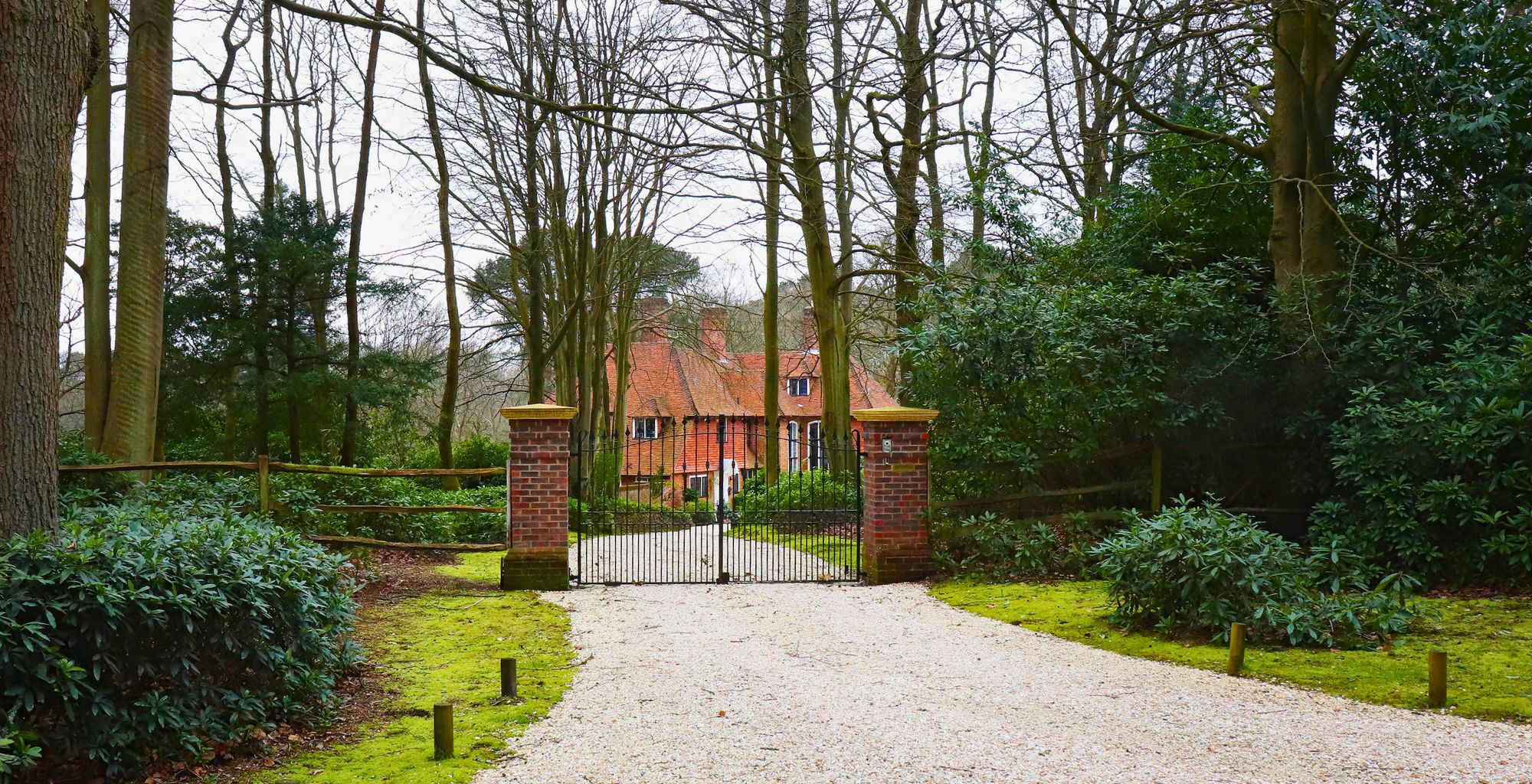
Few homes hold the imagination quite like houses in the woods.
A house held in privacy by mature trees, reached by a drive that turns off the lane and disappears, offers something most properties cannot. The appeal is easy to feel. What is less obvious, until an offer is close, is that a home set within or beside woodland comes with a few things worth understanding first.
None of it should deter a buyer. Handled early, it is simply the groundwork that lets you enjoy the setting with confidence. This guide covers the appeal and the practical detail in equal measure.
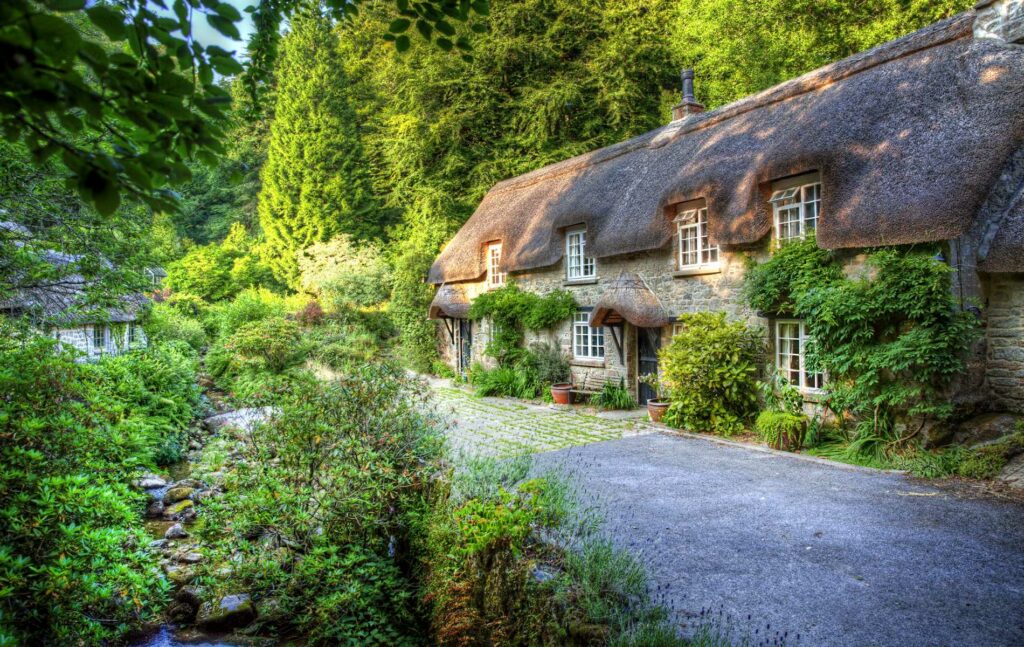
The pull of houses in the woods is easy to feel and harder to find elsewhere. Trees change the way a home sits in its surroundings, softening light, muting sound, and marking the turn of the year in a way a garden of lawn and fence never quite manages. A house within or beside woodland tends to feel older and more settled than its age alone would suggest.
Privacy is the quality buyers name most often. A screen of mature trees does what walls and gates cannot, giving a home a stillness felt the moment you step out of the car. For some, that seclusion is the whole point, a retreat from busy lives. For others it is the setting for family life, with room for children and dogs to roam.
What a wood really offers is not its trees, but the quiet they keep.
Woodland is scarcer than the demand for it. About 13.5% of the UK is wooded and only a fraction of that sits close enough to a house to give the seclusion buyers are after, which is part of why houses in the woods hold their appeal.
Houses in the woods vary more than the phrase suggests, and it helps to know which kind draws you. At one end is a house that sits within woodland, perhaps a former estate lodge or a property with its own trees, where the woodland forms part of the title and part of the responsibility.
More common is a house on the edge of woodland, its garden framed and screened by mature trees that belong to it or to a neighbour. And then there is the house set back from a road behind a belt of trees, where the wood gives the feeling of seclusion without the ownership of it. This matters because the obligations differ.
Owning the trees is a different thing from living beside someone else’s, and knowing which you are looking at, early on, shapes the checks that follow.
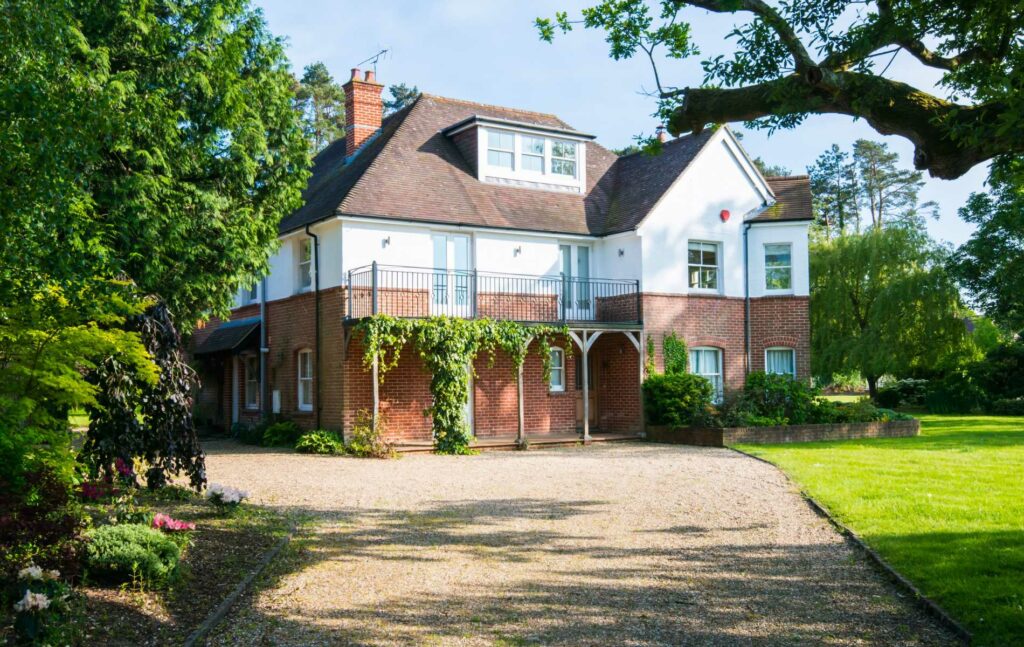
Some of the trees that give houses in the woods their character are legally protected, and that is no bad thing. A tree preservation order, or TPO, is made by the local planning authority when a tree or woodland is judged worth keeping for its amenity value. Where one applies, an owner cannot fell, top, lop or carry out significant work on the tree without the authority’s written consent, whether it stands in the garden or overhangs from next door. The same protection covers most trees within a conservation area.
A protected tree is not a reason to walk away; it is usually a sign the setting is worth having.
You can certainly buy a house with a TPO on or near it. What matters is knowing before you commit. A solicitor or conveyancer should confirm at an early stage whether any tree on or affecting the property is protected, so there are no surprises when you later picture an extension or a clearer view.
Carrying out work on a protected tree without consent is an offence, so it is a check to make early rather than a rule to fall foul of later.
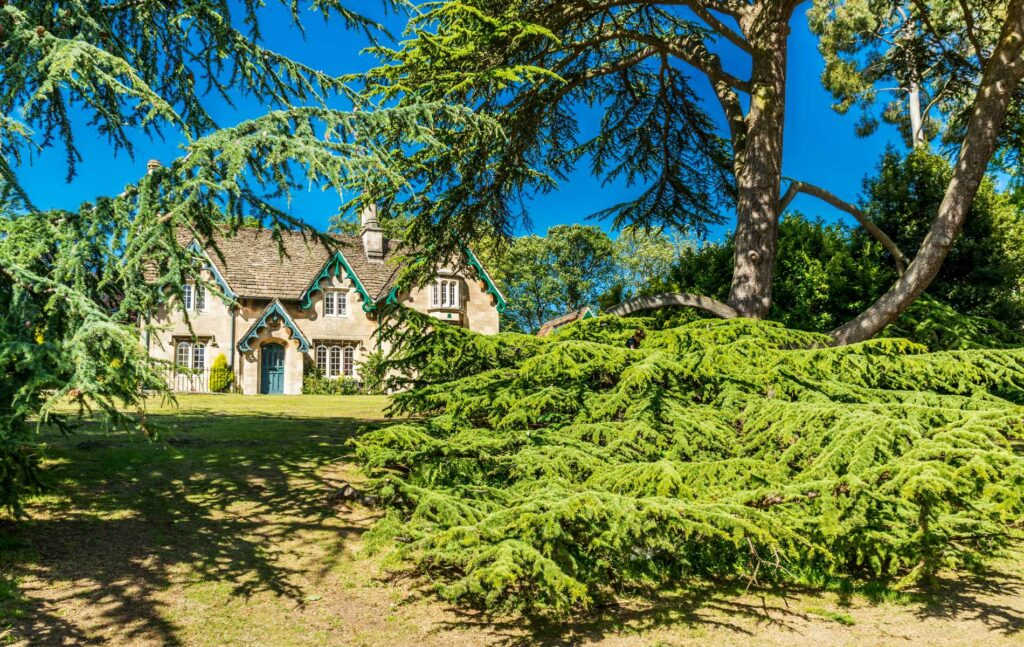
Trees and buildings share the ground, and on some soils that relationship needs a little attention. On shrinkable clay, large, water-hungry species such as oak, willow and poplar can draw enough moisture from the soil in a dry spell to contribute to subsidence, the downward movement of the ground beneath a property.
It can happen, but it is far from a given, and it is exactly what a good structural survey exists to assess. On many houses in the woods, it proves to be no concern; where a surveyor does raise it, there is usually a considered course of action, and removing a mature tree is rarely the first answer, since taking out an established tree carelessly can cause heave, which is often harder to put right.
So, trees near a house are rarely a reason not to buy. They are a reason to survey properly and to buy with the facts in hand.
Insurance follows the same logic. Buildings policies in the UK usually include cover for subsidence, which is unusual internationally, but an insurer may ask about trees over a certain height close to the house, and the excess on a subsidence claim is typically higher than the standard buildings excess.
Nearby trees do not usually prevent cover on their own, though an insurer may ask further questions or set particular terms.
The practical step is to tell your insurer what stands near the house and to keep any survey to hand.
Seclusion shapes the practical side of houses in the woods, and most of it is part of the character. A house down its own track or a shared drive comes with a little more independence than a house on a street. The title should make clear who has the right to use the drive and who is responsible for maintaining it, and a right of way across the land, or a footpath through neighbouring woodland, is common enough to expect and simple to understand once it is set out.
Many woodland homes also sit beyond the mains, managing water and drainage privately. If a house has a septic tank or a private treatment plant, check its type, age and condition, whether it serves the property alone or is shared, and that it meets current discharge rules. It is worth asking your surveyor to look at this, or bringing in a drainage specialist, and the cost of upgrading a system, if one is needed, is worth knowing before you buy.
Planning deserves the same early thought. If you hope to extend, protected trees, their root protection areas and proximity to ancient woodland will all shape what a local authority will allow, and permission is often needed where a scheme comes close to protected trees. In practice, designs that work with the trees rather than clearing them tend to be treated more favourably, and the constraints of a wooded plot often lead to a better-considered house.
Houses in the woods hold their appeal for the same reason they are hard to find. Privacy, mature planting and a settled position take decades to create and cannot be reproduced quickly, and we find good examples attract steady interest whenever they appear. Buyers should expect to pay for the setting as much as for the square footage.
That scarcity has another consequence. In our experience, houses in the woods often change hands quietly, through word of mouth or a discreet introduction, before they ever reach the open portals.
An owner who values privacy while living in a house tends to value it when selling one too.
For a buyer, that means the right property for you may never appear in a search you can run yourself, which is where knowing the right people, and the right places, begins to matter.
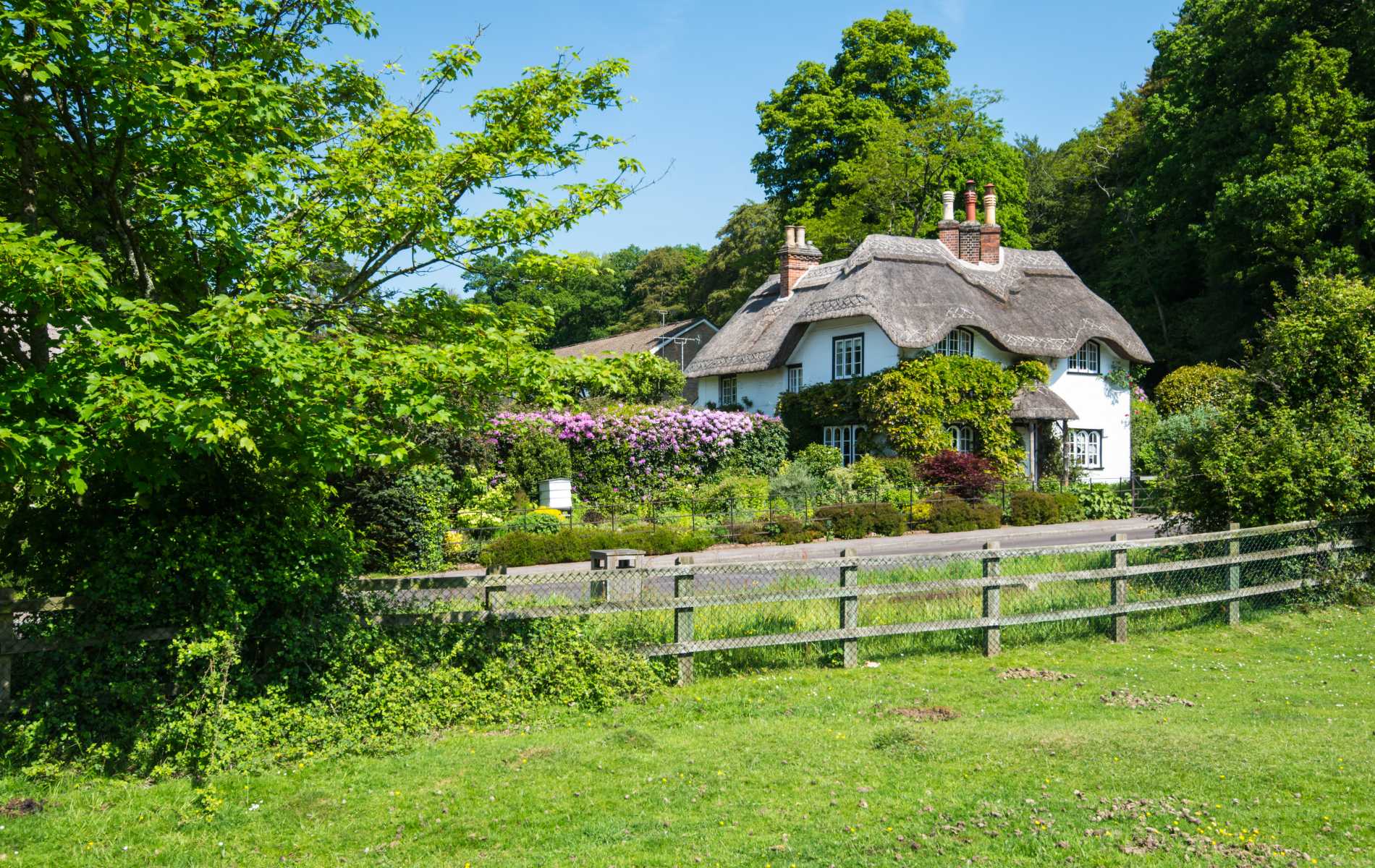
Certain parts of the country lend themselves to houses in the woods. For example, in the south, the New Forest sets homes among ancient woodland and open heath within easy reach of the coast, covered in detail in our New Forest buyer’s guide and New Forest buying agent pages. Closer to London, the Surrey Hills hide wooded homes in villages such as Shere and Peaslake, explored more fully in our Surrey Hills guide.
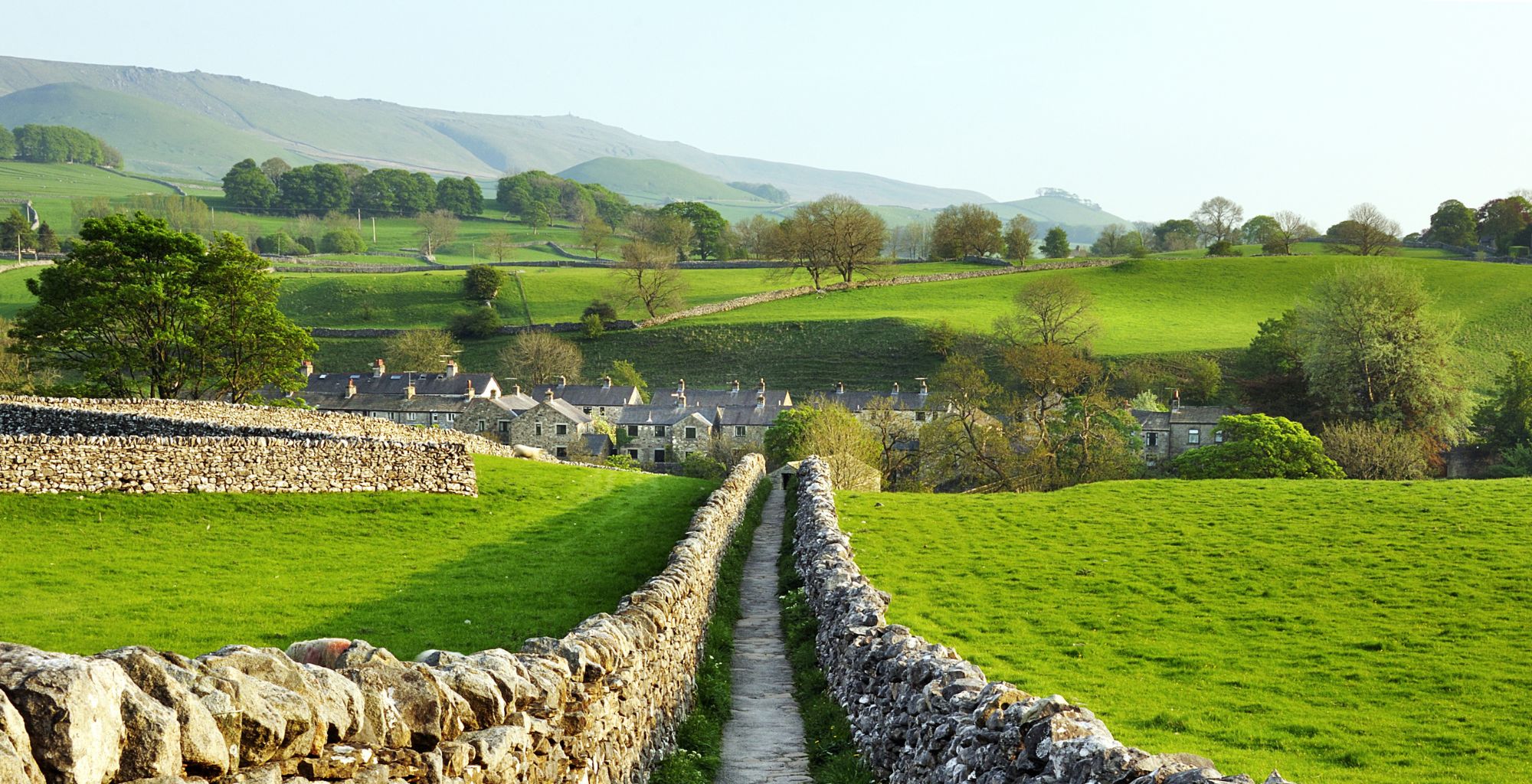
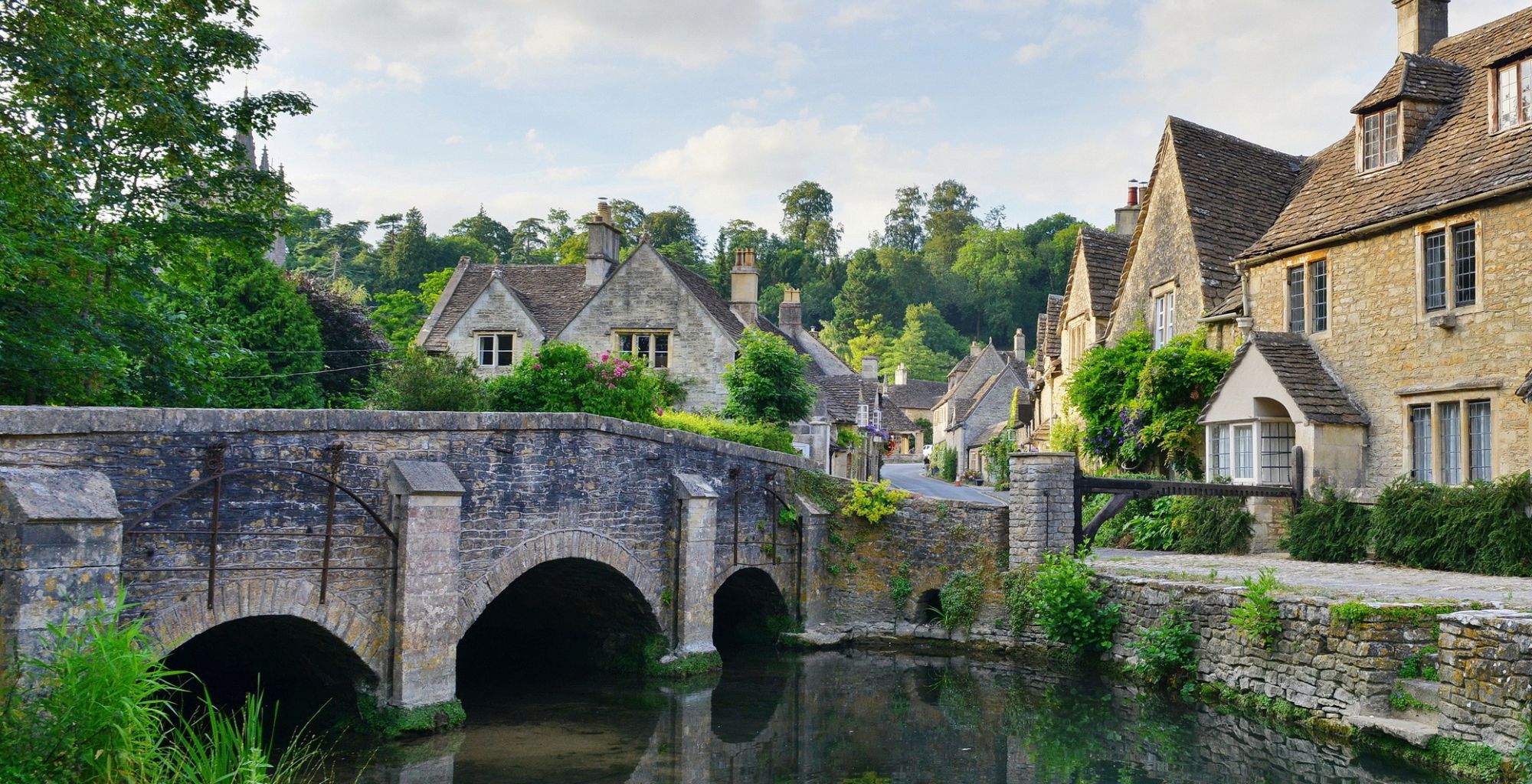
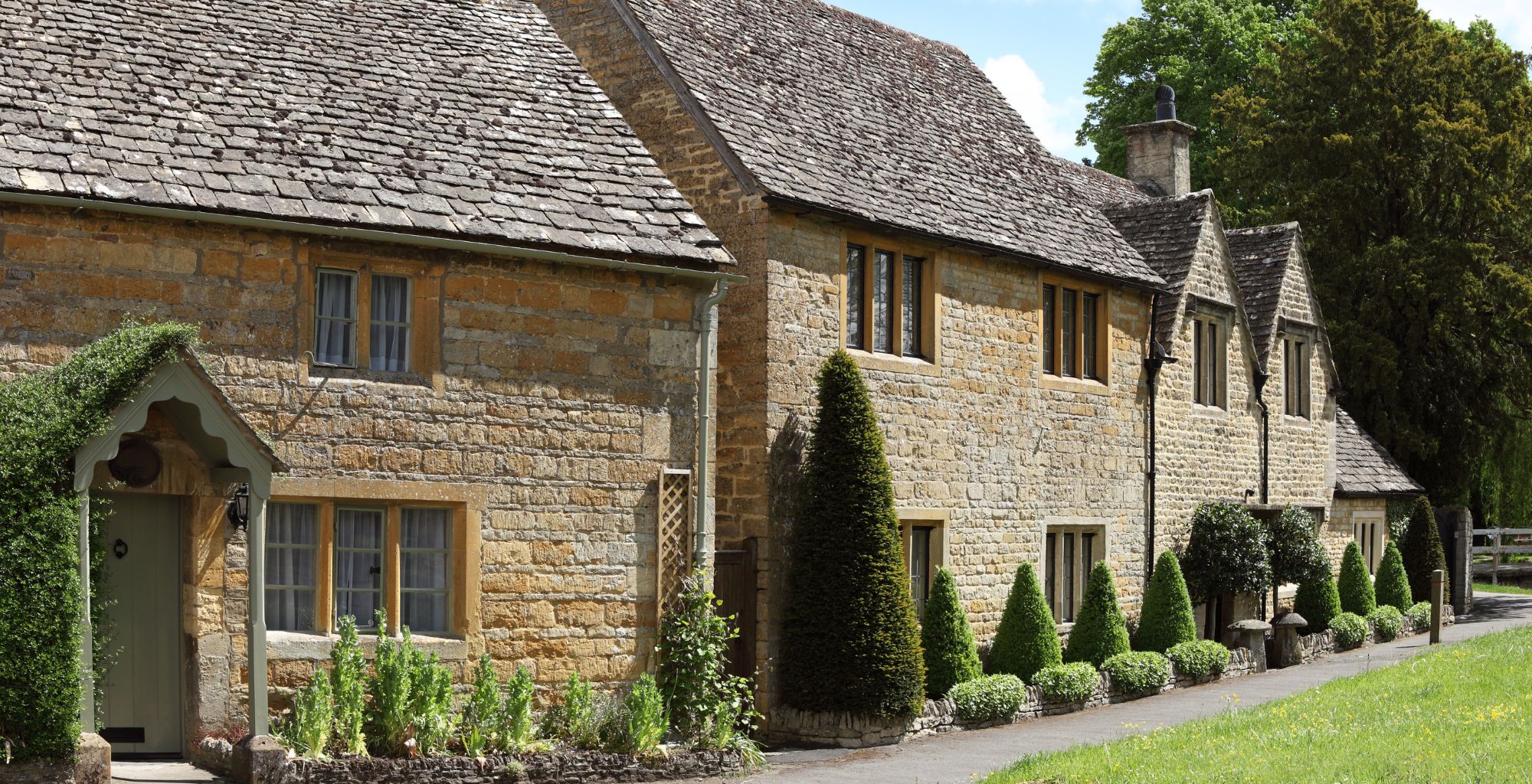
The Cotswolds tuck stone houses into valley woodland between the hills, while the Highlands around Fort William offer forest seclusion on a grander scale, close to loch and mountain. For a wider view of quiet, tree-framed living across the country, our guide to remote places to live in the UK is a good place to begin.
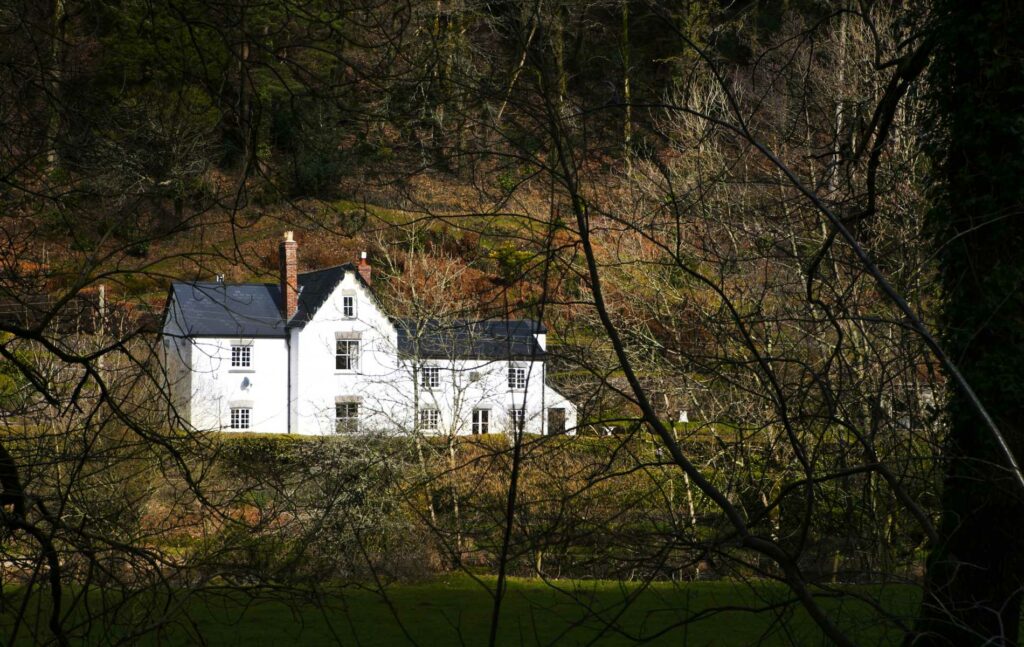
A house in the woods rewards patience twice over: first in finding one, then in buying it properly. The considerations set out above are exactly the ground a buying agent is used to covering, working alongside your surveyor and conveyancer rather than in place of them. That due diligence is where a wooded property most rewards attention, and where the right advice earns its keep well before completion.
If a house in the woods is what you’re looking for, talk to Garrington: for the search itself, and for the questions that come after you’ve found one.
A TPO is a local authority protection placed on a tree or woodland of amenity value. It does not prevent a purchase. It means significant work on the tree needs written consent, so a solicitor or conveyancer should confirm early whether any apply to the property.
Large, water-hungry trees on clay soil can contribute to subsidence, but it is far from inevitable and is exactly what a structural survey assesses. It is rarely a reason not to buy, provided the survey is done and any findings understood.
It can. An insurer may ask about tall trees close to the house, and the excess on a subsidence claim is usually higher than the standard buildings excess. Nearby trees do not usually prevent cover on their own, though an insurer may ask more questions or set particular terms.
Confirm the type, age and condition of the septic tank or treatment plant, whether it is shared, and that it meets current discharge rules. Ask your surveyor whether this is included, and consider a specialist drainage inspection where it matters.
Often, yes. Protected trees, their root protection areas and closeness to ancient woodland all shape what a planning authority will allow. Designs that keep the trees tend to be treated more favourably.
Not always. In our experience, some houses in wooded settings change hands quietly, which is where a buying agent’s network and local knowledge can make the difference.
When searching for a property with stables, the natural instinct is to begin with the house: the kitchen, the...
The common mistakes property buyers make are rarely dramatic. More often, they are small misjudgements early in a search...
There are many locations across the UK that offer a 60 minute commute to London, and the choice between...
Georgian towns in the UK hold a particular appeal for buyers who want architecture with proportion, order and a...