









Best places to live in Surrey: A buying agent’s guide
The best places to live in Surrey each give a buyer something specific: a fast train into Waterloo, a...
More families are discovering the benefits of living in a multi-generational home. Economic considerations, an ageing population, and the wish to stay closely connected have all contributed to this growing trend.
According to the Office for National Statistics (Census 2021), the number of multi-generational households in England and Wales has increased since 2011, reflecting wider demographic and housing changes.
Whether it’s grandparents helping with childcare or adult children sharing resources with their parents, living under one roof can bring both practical and emotional rewards.

Pooling finances often allows families to buy a larger home or a property in a location that might otherwise be out of reach. Shared costs such as energy bills and maintenance reduce financial pressure for everyone.
There’s also a deeper value: strengthened family bonds. Grandparents can enjoy more time with grandchildren, and younger adults can offer support when needed. A multi-generational home provides a shared sense of security and togetherness that many families prize.
Living together means no one is left to face long periods of solitude, and help is always close at hand.
Grandparents often play an invaluable role in childcare too. Not necessarily as full-time caregivers but as trusted family members who can step in for an afternoon or allow young parents a well-deserved evening out. These small contributions can help ease daily routines and create memories that all generations cherish.
Careful planning is key. Begin by listing everyone’s needs. Ground-floor bedrooms or step-free access may be essential for older relatives, while parents of teenagers may want extra bedrooms or a private snug.
Families with young children often prioritise larger reception rooms and generous outdoor space for play and relaxation. Think about areas where teenagers can socialise with friends and older relatives can unwind without interruption, ensuring personal space for every age group.

Privacy is equally important. Properties with annexes, separate entrances, or flexible layouts help each household carve out its own space. This balance between shared and private areas makes day-to-day living more harmonious and allows different generations to come together when they wish, while still enjoying independence.
Location matters too. Schools, shops, healthcare, and good transport links should all be factored in to meet the varied needs of different generations. Good public transport can give both younger and older family members independence and reduce reliance on the family car.
If you find a near-perfect property, a thoughtful renovation can make it work. Converting a garage, adding an extension or reconfiguring interiors can create self-contained areas or more open-plan communal spaces.
Features such as en-suite bedrooms, wider doorways or non-slip flooring improve comfort and safety.
Remember to allow for planning permissions, building regulations, and the cost of any adaptations when budgeting.
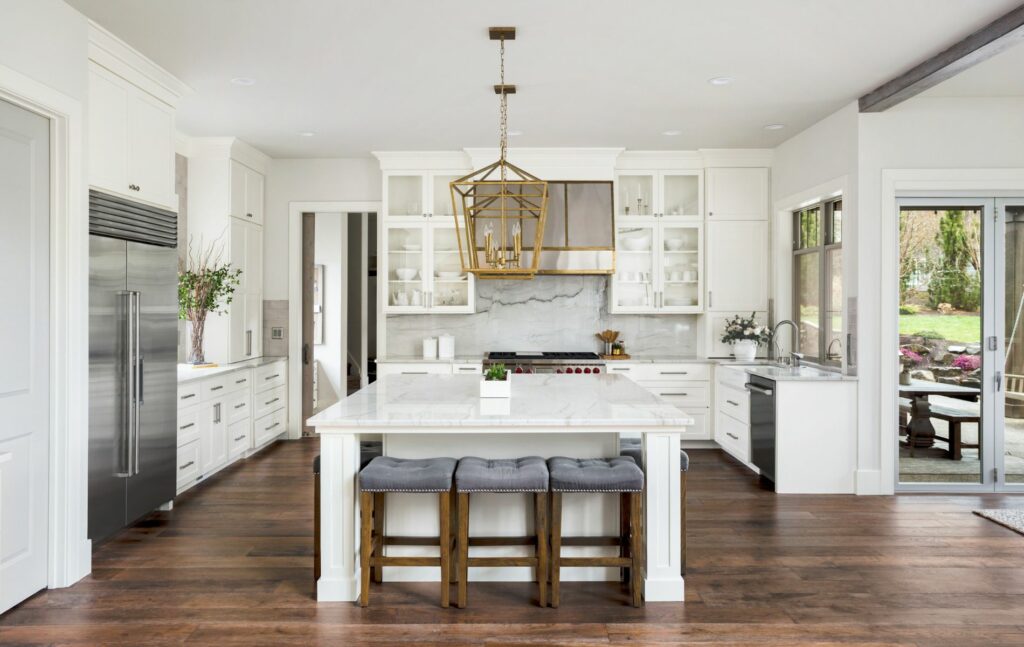
It can also be worth exploring subtle design features that enhance daily life. Open-plan kitchen and dining areas bring everyone together at mealtimes, while separate lounges or garden studios offer calm retreats when needed. These touches help create a home that is both welcoming and functional.
A multi-generational home thrives on clear communication. Before buying, discuss expectations, finances and household responsibilities openly. Early agreements on these points help prevent misunderstandings.
Simple ground rules about household routines, quiet times, or shared chores can help everyone feel comfortable and respected.
Financial planning is equally important. Consider setting up a shared account so that each adult can contribute to mortgage payments, utilities, and food each month. This keeps things transparent and ensures responsibilities are evenly shared.
Professional advice can be invaluable. A property finder experienced in multi-generational homes can identify suitable options and can manage negotiations with discretion. Solicitors and financial advisers can guide you on joint ownership and legal arrangements, while architects and interior designers can help tailor a layout to your family’s needs.
This way of living isn’t for every family, but for those who value close connections and are willing to plan carefully, the rewards can be significant.
With the right property, thoughtful design, and open dialogue, multi-generational homes can provide a supportive and harmonious environment for everyone.
If you’re unsure where to start, Garrington’s experts can offer advice to help clarify your priorities and next steps. We take time to understand each family’s lifestyle, budget, and long-term goals, and can guide you through the whole process, from exploring the market, including discreet off-market opportunities, to introducing trusted professionals in finance, law, and design.
From your first conversation with us to the day you move in, Garrington provides a confidential service and works to make the process as seamless as possible, always shaped around your family’s needs.
Please get in touch to find out more about our services and discuss how we can help you find and secure a home that brings every generation together.
The best places to live in Surrey each give a buyer something specific: a fast train into Waterloo, a...
When searching for a property with stables, the natural instinct is to begin with the house: the kitchen, the...
The common mistakes property buyers make are rarely dramatic. More often, they are small misjudgements early in a search...
There are many locations across the UK that offer a 60 minute commute to London, and the choice between...