

Buying a property with stables: A guide to equestrian homes
When searching for a property with stables, the natural instinct is to begin with the house: the kitchen, the...
Choosing among the best London suburbs is, by nature, a subjective exercise. Every resident believes their corner of the capital is the finest, and in some respects, they are all right.
London’s suburbs function as self-contained communities, each with its own high street, its own rhythm, and its own fiercely held identity. Move to one, and you quickly discover that your London is not quite the same as anyone else’s.
The ten suburbs explored here are places that surface time and again in our searches with buyers across the capital. They are not the only excellent places to live, and any selection of the best London suburbs involves a measure of personal judgement.
Over the years of helping clients find homes in every part of the city, certain locations have proven themselves repeatedly. Strong schools, reliable transport links, distinctive housing stock, and that less quantifiable pull that makes residents reluctant to leave: these are the qualities that define London’s best suburbs for the homebuyers we work with.
We begin in the southwest, where the Thames and the Royal Parks shape much of the appeal, before moving north through some of London’s most celebrated village enclaves, south to a hilltop suburb with panoramic views, east to a neighbourhood reshaped by new infrastructure, and finally northwest to one of the capital’s most spacious residential quarters.
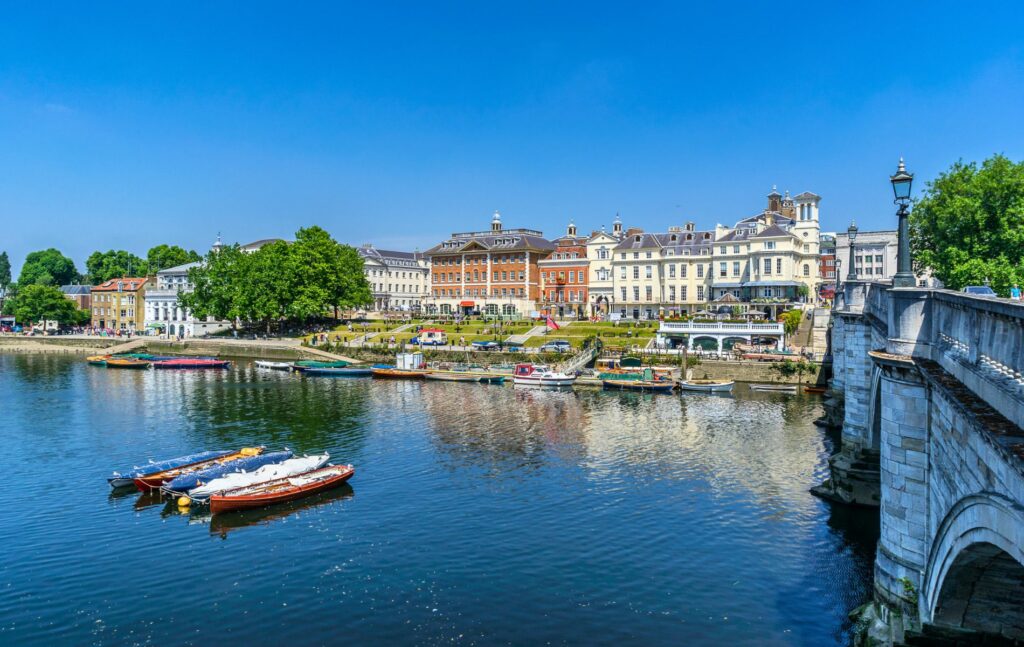
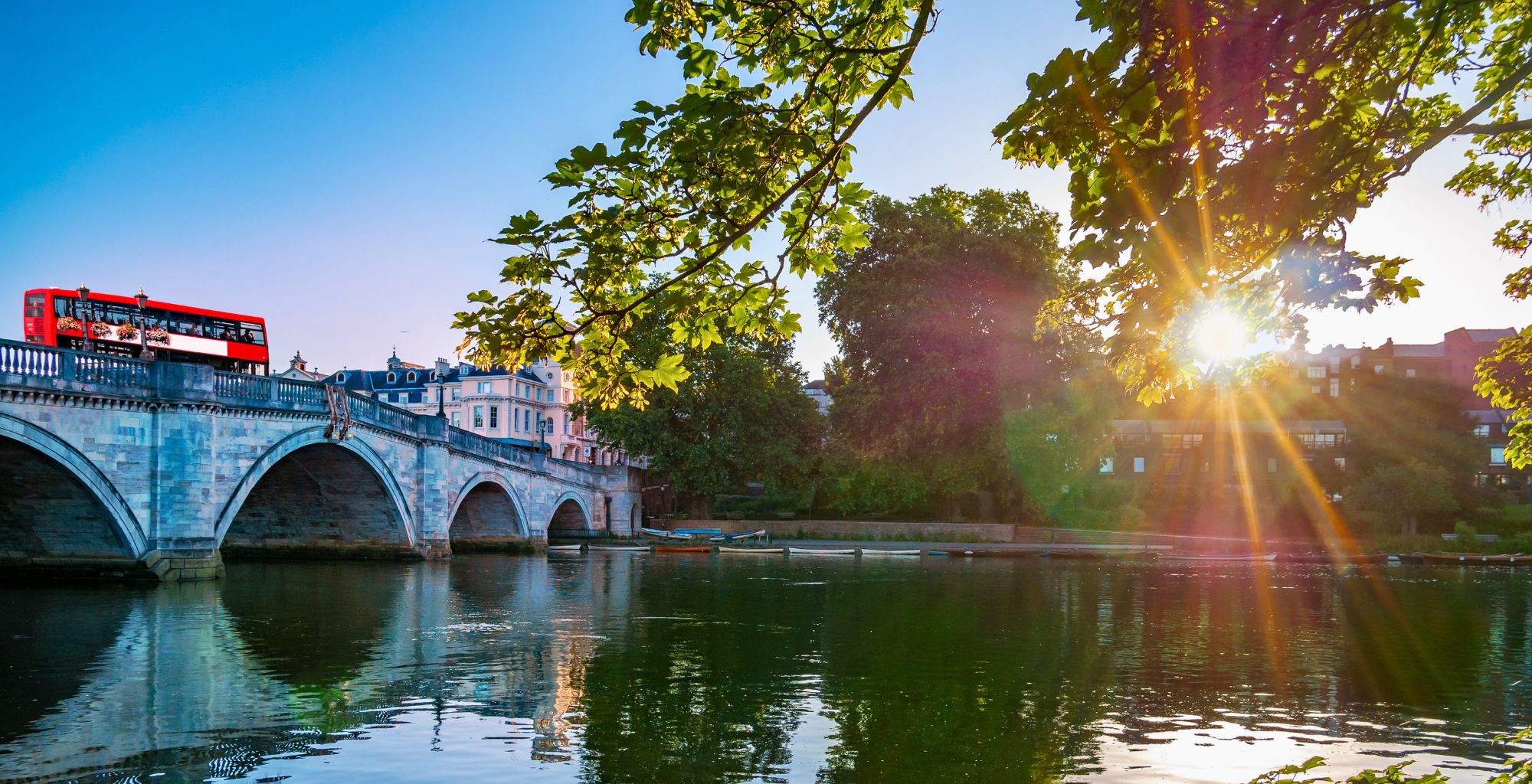
When the Sunday Times Best Places to Live 2026 guide named Richmond the best place to live in London, the response from residents was less surprise than quiet vindication. They already knew. For many of our clients, Richmond consistently ranks among the best London suburbs for families seeking space, beauty, and a strong sense of belonging.
Richmond’s appeal starts with the river. The town straddles the Thames, and its waterfront, stretching from the Green down past the boathouses and along the towpath toward Twickenham, lends daily life a quality of light and space that feels improbable for Zone 4. Behind it rises Richmond Hill, with its protected view toward St Paul’s Cathedral, one of only a handful of panoramas in England safeguarded by an Act of Parliament.
Richmond Park covers 2,500 acres and is the largest of London’s Royal Parks.
It is home to around 630 wild red and fallow deer and the hidden woodland garden of Isabella Plantation. In 2023, the wider borough was ranked first in Rightmove’s Happy at Home index, the first London borough to claim that title.
Families benefit from strong schooling at every level. Deer Park School and Grey Court School are well regarded in the state sector. Hampton School, an independent day school for boys aged 11 to 18, is considered one of the strongest in the country. St Paul’s School, founded in 1509 and now set on 45 acres in nearby Barnes, draws boys from across southwest London. The Old Vicarage School offers independent preparation for girls aged 3 to 11.
Richmond is a District Line terminus, with fast mainline trains reaching Waterloo in under half an hour. The A316 feeds onto the M3, and Heathrow is 12 miles to the northwest.
Among the best suburbs in London for combining village character with sporting heritage, Wimbledon stands apart. For those who live here, it means something richer than tennis: a suburb where village intimacy and metropolitan convenience exist in balance.
Wimbledon Village sits at the top of the hill, its high street lined with independent shops, wine bars, and restaurants that cater to a community accustomed to quality without ostentation. Below, the broader town centre offers more conventional retail. To the west and south, Wimbledon Common and Putney Heath spread across 1,140 acres of heathland, ancient woodland, and open grassland, forming the largest expanse of heathland in London.
The New Wimbledon Theatre, a Grade II-listed Edwardian venue that opened in 1910, has hosted West End premieres and remains a cultural anchor. In recent years, a growing restaurant scene has added further texture to an area already well served.
State primary options include Albemarle and Bishop Gilpin Church of England, both highly regarded. Ricards Lodge High School serves girls aged 11 to 18. In the independent sector, King’s College School for boys and Wimbledon High School for girls are among London’s most sought-after.
The District Line provides a direct route into central London, while fast train services reach Waterloo in around 20 minutes. The A3 leads to Guildford and Portsmouth, and Heathrow is roughly 45 minutes by car.
If Richmond and Wimbledon attract the most attention among the best London suburbs in the southwest, East Sheen has long been the quieter alternative that those in the know prefer not to publicise. Its neighbours may carry more cachet, but East Sheen arguably offers the closest thing to country living near the very centre of the capital.
The village high street along Upper Richmond Road is unpretentious and practical, with independent butchers, fishmongers, cafes, and a community that gathers around The Plough, a pub whose surroundings give the area a distinctly rural character. Richmond Park is on the doorstep, as is East Sheen Common, owned by the National Trust and managed by Richmond upon Thames Borough Council.
Schools are a significant draw. Sheen Mount Primary is well regarded locally, while Richmond Park Academy provides strong state secondary education.
For the independent sector, Godolphin and Latymer in nearby Hammersmith serves girls aged 11 to 18, Putney High School takes girls from 4 to 18, and The Harrodian in Barnes offers co-education with an increasingly strong reputation. Tower House School, with an 80-year history, prepares boys aged 4 to 13.
North Sheen station provides fast services to Waterloo. The South Circular gives access to both the M3 and M4, and East Sheen sits roughly nine miles from both central London and Heathrow. For buyers who value substance over profile, this is a suburb that rewards closer inspection.
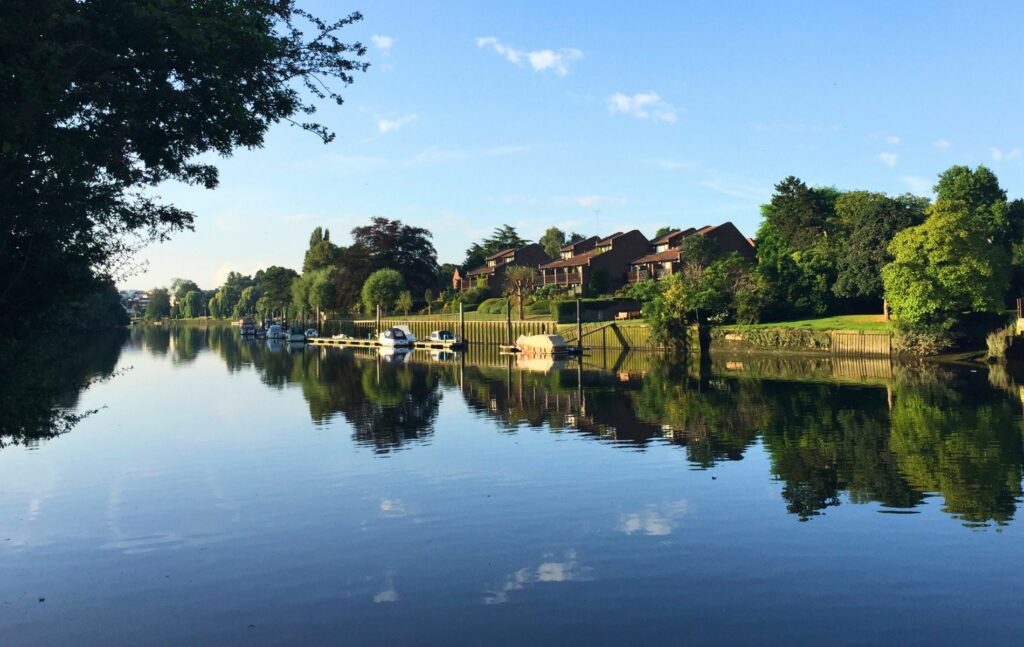
Teddington occupies a long stretch of the Thames between Teddington Lock and Kingston Bridge, and it is the river, more than anything, that defines the character of the place. Among London’s best suburbs for riverside living, it is hard to find a stronger contender.
Its independent high street, access to green space, and the sense of a community that functions on a human scale contribute to Teddington’s desirability. The high street walks a line between the practical and the aspirational: award-winning wine merchants alongside hardware shops, cheese specialists next to everyday essentials. It is the kind of place where shopkeepers know their regulars.
Bushy Park, the second largest of London’s Royal Parks at approximately 1,100 acres, sits immediately to the south. Its Chestnut Avenue, designed by Sir Christopher Wren, runs from Teddington Gate to the Diana Fountain, and wild herds of red and fallow deer graze freely among parkland that dates to the Tudor era.
Families benefit from a strong cluster of schools. Several highly rated primaries are within reach in neighbouring Twickenham. Tiffin School in Kingston upon Thames, a selective state grammar for boys, is among the best-known state schools in London, while Waldegrave School for Girls in Twickenham is similarly well regarded. Kingston Grammar School and St Catherine’s School provide strong independent options.
Regular trains to Waterloo take 30 to 45 minutes. The M3 is a mile or two to the south and Heathrow is approximately six miles northwest.
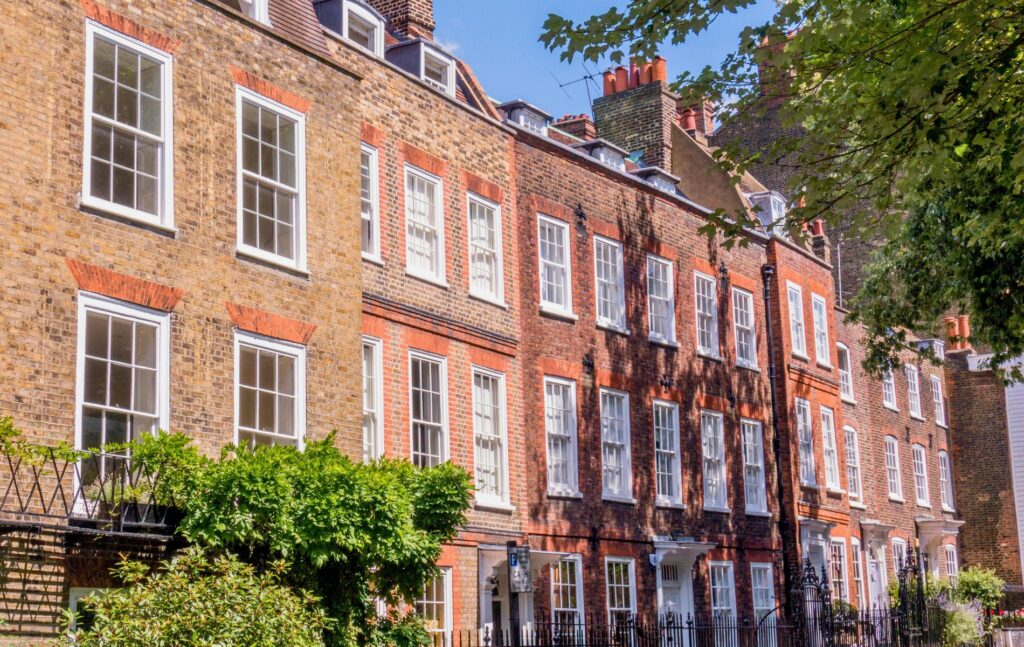
Hampstead has attracted writers, artists, and those seeking a certain kind of London life for centuries. Keats wrote here. Constable painted the Heath. Freud spent his final years in a redbrick house on Maresfield Gardens. For buyers drawn to culture and green space in equal measure, it remains one of the best London suburbs north of the river.
The village itself is remarkably compact. Narrow cobbled streets, the centuries-old Holly Bush Inn, small independent shops, and the Everyman cinema, which has been showing films since 1933. And yet Oxford Street is barely five miles to the south.
Hampstead Heath stretches across 790 acres of ancient meadow, woodland, and swimming ponds, with separate bathing ponds for men, women, and mixed use.
From Parliament Hill, the views south across the city are among the finest in the capital.
This daily contact with open landscape is something most Londoners only experience on weekend excursions.
Schools include Fitzjohn’s Primary in the state sector. The Henrietta Barnett School, a state grammar for girls of outstanding reputation, is two miles north in Hampstead Garden Suburb. South Hampstead High School serves girls from 4 to 18, University College School is co-educational from 4 to 18, and St Anthony’s is a Catholic school for boys aged 4 to 13.
Hampstead sits on the Northern Line, with the Finchley Road leading north to the M1. Heathrow is 18 miles away via the North Circular.
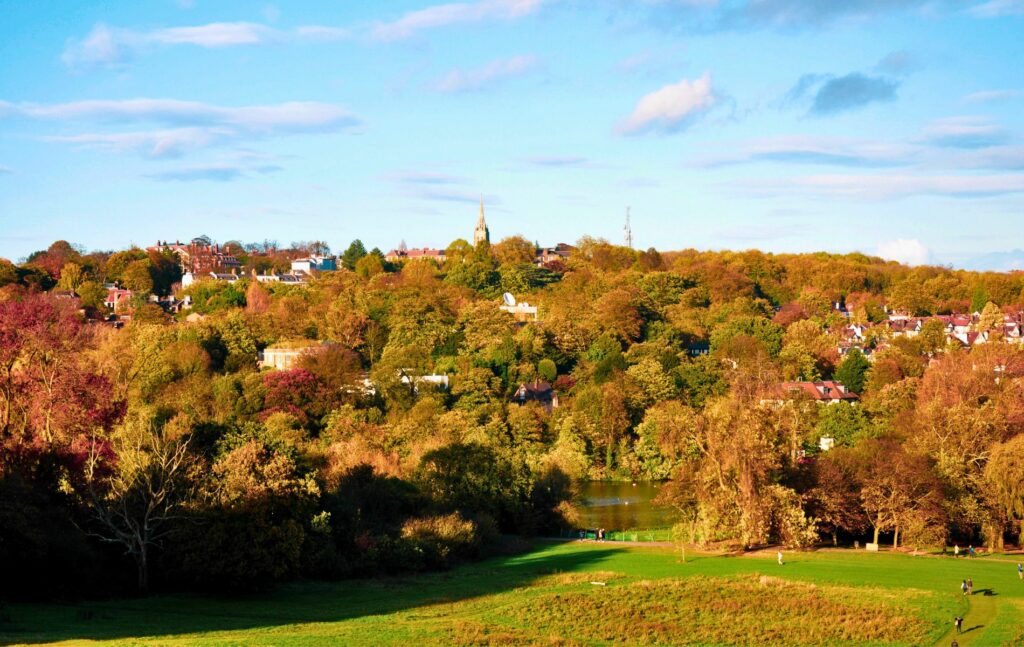
If Hampstead is the more famous sibling, Highgate is the one with the quieter confidence. Separated by the Heath, the two are often mentioned together, and the local newspaper is still affectionately known as the “Ham and High.” Yet Highgate has a distinct identity: Georgian architecture, an intimate village high street, and a residential stillness that attracts those who have had enough of London’s noise but are not ready to leave it behind. It is one of the best London suburbs for buyers who prize period architecture and a sense of seclusion.
The High Street is lined with independent bookshops, boutiques, and small restaurants. Waterlow Park, given to the public in 1889 as “a garden for the gardenless,” offers terraced gardens and long views. Highgate Cemetery, the final resting place of Karl Marx, draws a more reflective kind of visitor. Fitzroy Park, little more than a country lane bordered by some of the most valuable property in the area, completes the picture.
For families, Highgate offers particular strength in all-through independent schooling. Highgate School, a co-educational day school founded in 1565, takes pupils from 3 to 18 and is especially well regarded. Channing School for Girls serves ages 4 to 18. In the state sector, Highgate Primary and Parliament Hill School both provide solid options.
Highgate is on the Northern Line at Zone 3, and the A1 leads directly to the M1. Heathrow is approximately 20 miles via the North Circular.
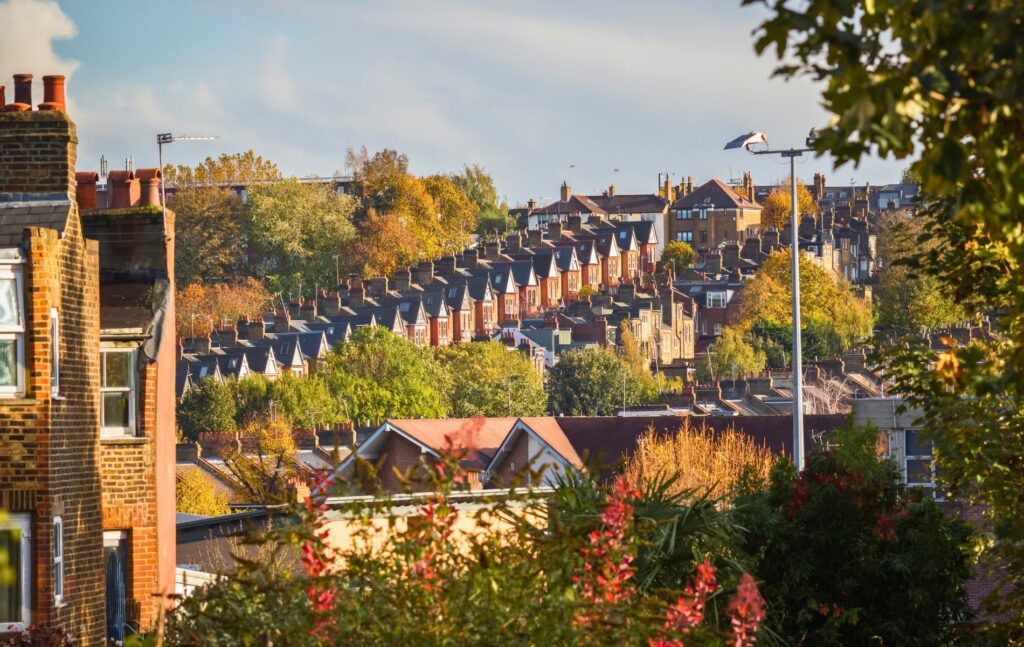
Crouch End has the unusual distinction of having been named one of London’s best places to live by the Sunday Times in both 2023, as the London winner, and again in 2026. Yet many Londoners outside North London still regard it as something of a secret. The absence of a Tube station, which might seem a disadvantage on paper, is precisely what has preserved its character and kept it among the best suburbs in London for those who value independence over convenience.
Everything radiates from the Victorian Clock Tower. The high street is almost entirely independent: family-run bakeries, fishmongers, record shops, wine bars, and a café culture that owes more to a European market town than to Zone 3. The annual Crouch End Festival and Open Studios events reflect a creative community that has chosen the area not as a compromise but as a first preference.
Alexandra Palace and its surrounding 196-acre park provide the big green space.
The Palace itself, Grade II listed and opened in 1873, hosts concerts, exhibitions, and skating, while the park offers sweeping views across the London skyline.
Strong schools reinforce the family appeal. Alexandra Park School and Fortismere are well-regarded state secondaries. Highgate School and Channing School for Girls are both within easy reach for those considering the independent sector. Coleridge, Coldfall, and Rhodes Avenue are among several excellent primaries serving the immediate area.
Crouch Hill station provides overground services to Gospel Oak and Barking Riverside. Finsbury Park, two miles south, offers Victoria and Piccadilly Line access with fast connections to King’s Cross and St Pancras International.

Crystal Palace occupies one of the highest points in London, and it knows it. The views from Crystal Palace Park take in the Shard, the Gherkin, and St Paul’s Cathedral in a single sweep, a reminder that this hilltop suburb, for all its local intimacy, belongs unmistakably to the capital.
With independent spirit and strong schools, Crystal Palace has a community pride that borders on the territorial. Among the best London suburbs for those who want character without conformity, it is in a class of its own. The Triangle, formed by Westow Street, Westow Hill, and Church Road, is the commercial heart: independent cafes, restaurants, and vintage shops, with a conspicuous absence of chain retail.
Crystal Palace Park itself is one of South London’s great assets, home to the famous Victorian dinosaur sculptures, a maze, concert stage, and extensive sports facilities at the National Sports Centre.
Eliot Bank Primary in neighbouring Sydenham is highly rated, as is Dunraven School near Streatham, a state academy for 11 to 18-year-olds. Bishop Thomas Grant provides strong Catholic secondary provision. Dulwich College, founded in 1619 by the Shakespearean actor Edward Alleyn, is one of London’s most distinguished schools for boys aged 2 to 18, set on a 75-acre campus barely three miles to the east.
Crystal Palace station offers overground services reaching Victoria in around 30 minutes. Gatwick is accessible via the M23 in approximately 40 minutes.
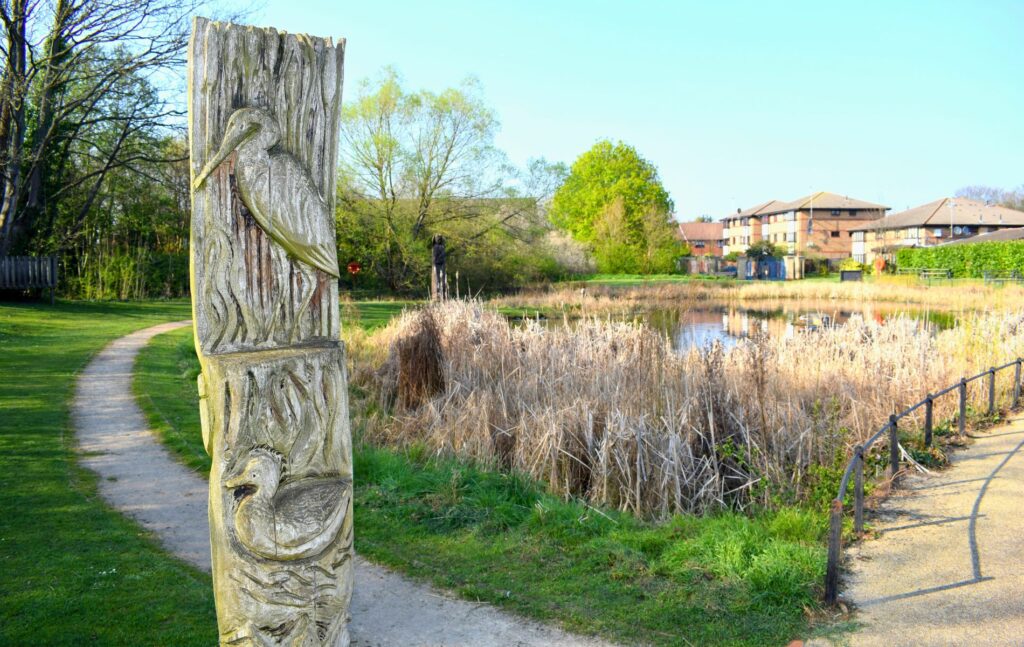
Of all the best London suburbs in this guide, Forest Gate has perhaps undergone the most dramatic transformation in recent years, and the reason can be stated simply: the Elizabeth Line.
When the line opened in full in November 2022, providing through-running services from Shenfield and Abbey Wood in the east to Paddington, Heathrow, and Reading in the west, it redrew the map of East London connectivity. Forest Gate, a Zone 3 station that had previously relied on slower services to Liverpool Street, found itself on the fastest-growing railway in the country.
Over 350 million journeys have been made on the Elizabeth Line since opening. According to research by Hamptons, property values around Forest Gate rose by 101% between 2012 and the line’s opening, compared with an average rise of 85% across London over the same period. As Rob Anderson, research director at the Centre for London, told the BBC, the line has effectively redrawn the boundaries of the city by opening up areas that were previously poorly connected.
The Forest Gate suburb retains a strongly residential character.
Double-fronted Victorian detached houses sit alongside the more common terraces and semi-detached homes of the era.
Green Street, the main high street, reflects the area’s diversity through its Middle Eastern and Indian restaurants and specialist shops. Wanstead Flats to the north offers open grassland, while the Queen Elizabeth Olympic Park is close at hand.
Schools include Aldersbrook Primary, Brampton Manor Academy with its outstanding record for university placements, and the independent Forest School near Wanstead Park. London City Airport is roughly four and a half miles away, and Heathrow is now directly accessible without changing trains.
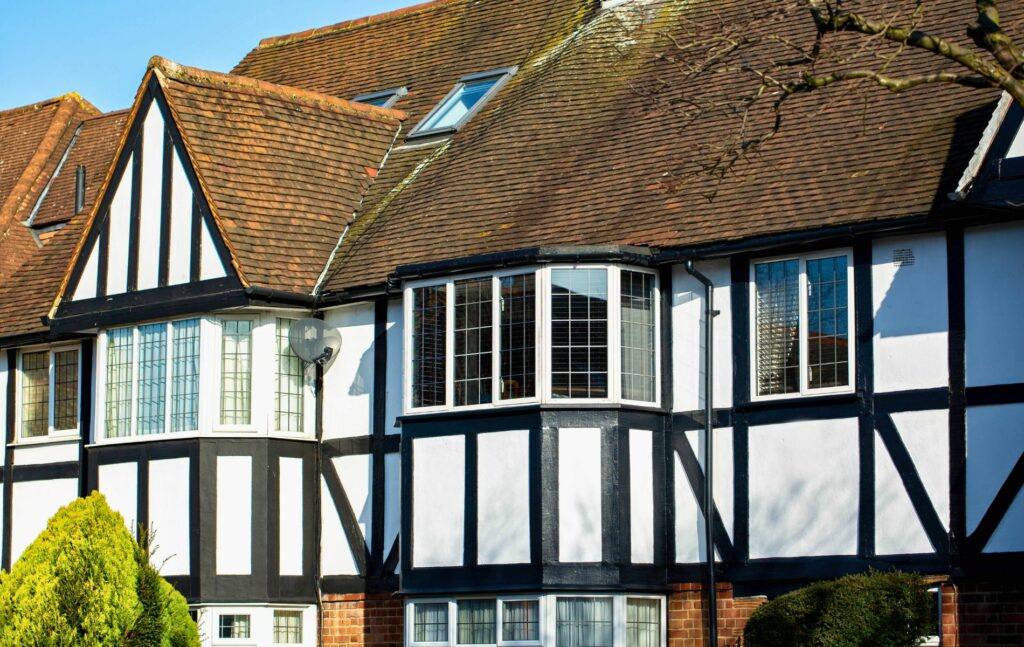
Finchley does not make headlines in the way that Hampstead or Richmond do, and that is part of its appeal. Among the best London suburbs for sheer liveability, this is a place built for getting on with family life rather than for showing off.
The area is large enough to support three distinct centres. Finchley Church End, East Finchley, and North Finchley each have their own shopping parades and local identity, while Brent Cross sits on the doorstep for anything the high streets cannot provide. If none of that suffices, Oxford Street is a short Tube ride away.
Schools are a particular strength. Fortismere and St Michael’s Catholic Grammar School are both well-regarded in the state sector. Hasmonean High School offers separate boys’ and girls’ schools of high standing. Mill Hill School, an independent school for ages 13 to 18 set in extensive grounds roughly three miles to the north, is among the most established in the area.
Finchley Central is on the Northern Line at Zone 4, and Thameslink services run from local stations. The North Circular is close, providing access to the M1, M4, M3, and M25, while central London is approximately ten miles by road. For buyers whose priorities centre on space, schooling, and a measured pace of life, Finchley deserves more attention than it typically receives.
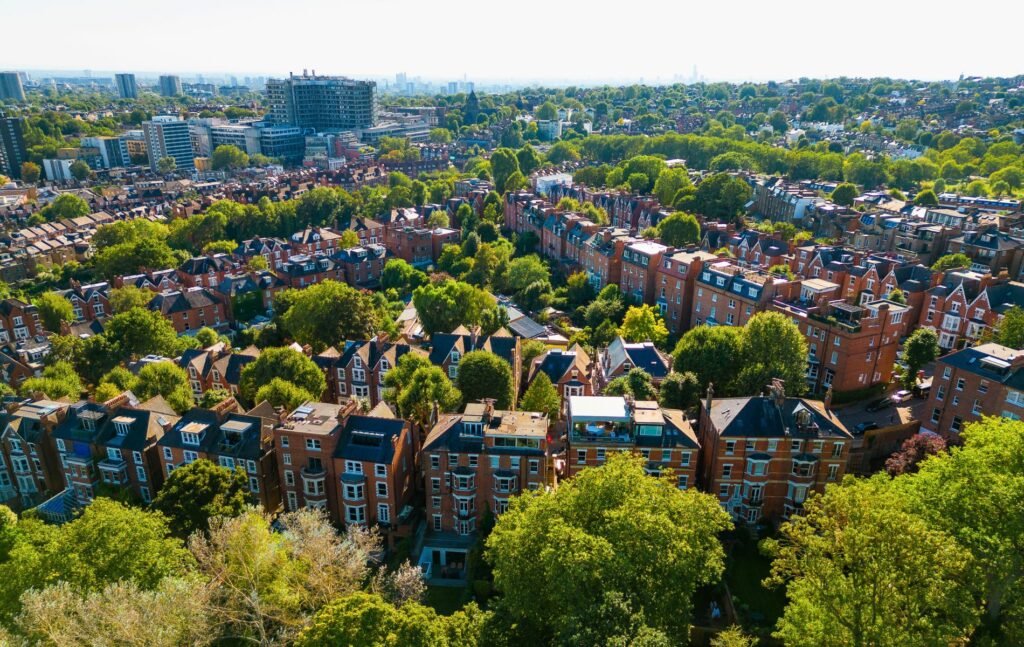
Each of these ten suburbs has its own character, its own loyalists, and its own way of making the capital feel manageable. The right choice will always depend on individual priorities: a riverside setting or a hilltop view, a creative high street or a quiet residential avenue, proximity to a particular school or a fast line into the City.
What they share is a quality that the best London suburbs have always offered. They feel like home rather than merely somewhere you happen to live.
If you are considering a move to any of these areas, or would like to explore other parts of London, our team would be pleased to help. We work across the capital, drawing on detailed local knowledge to find properties that suit the way our clients want to live, including homes that are not publicly marketed.
For a no-obligation conversation about your search and to find out more about our services, please do get in touch.
When searching for a property with stables, the natural instinct is to begin with the house: the kitchen, the...
The common mistakes property buyers make are rarely dramatic. More often, they are small misjudgements early in a search...
There are many locations across the UK that offer a 60 minute commute to London, and the choice between...
Few homes hold the imagination quite like houses in the woods. A house held in privacy by mature trees,...