30 years of Garrington: Three decades on the buyer’s side
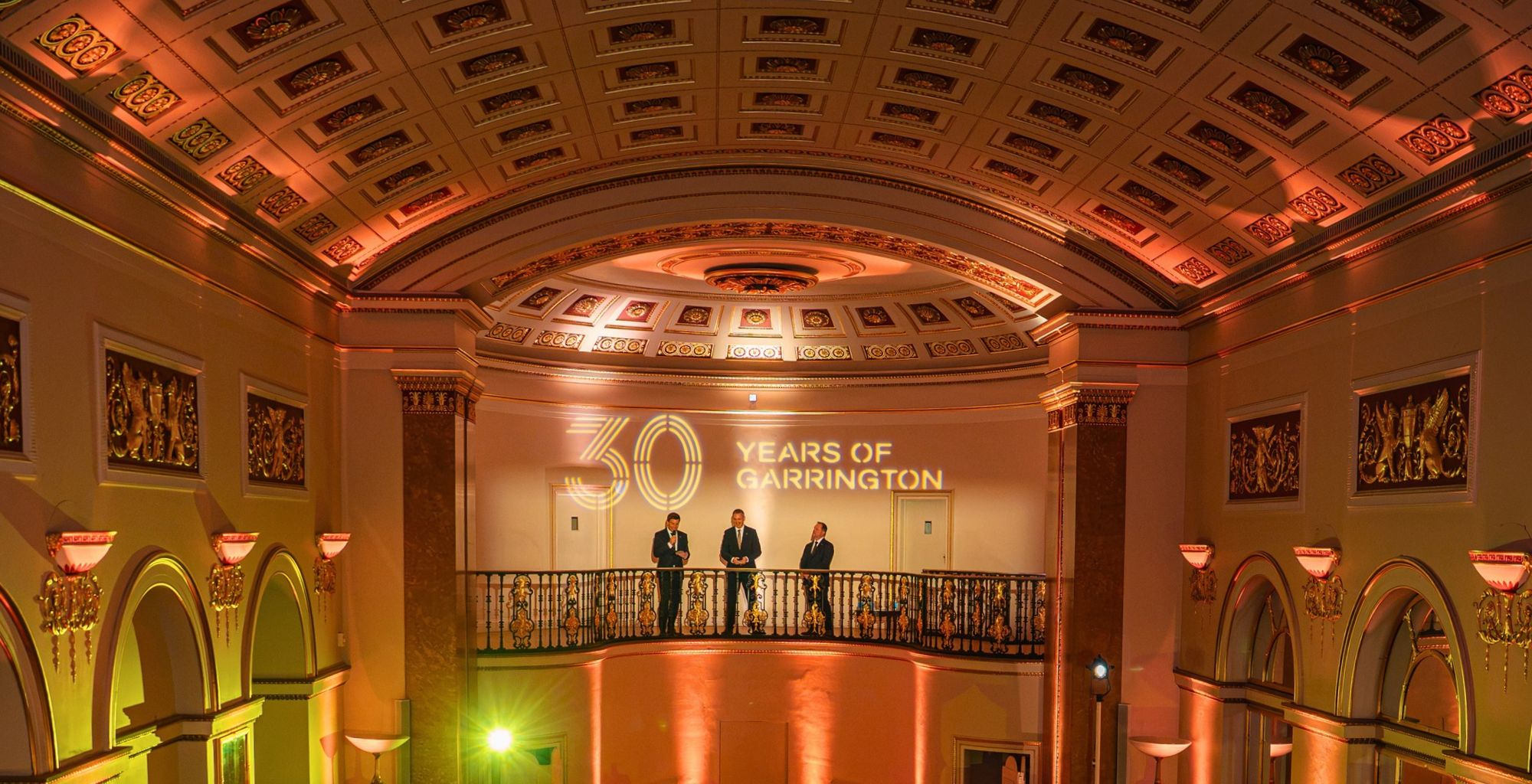
On Thursday 15th October, guests filled The Lansdowne Club in Mayfair to mark 30 years of Garrington, with an...
Of all the smallest cities in the UK, St Davids is the one you can almost take in at a single glance: from the old gatehouse, the view holds the cathedral in its hollow, the ruined Bishop’s Palace beside it and fields running out towards the cliffs.
St Davids in Pembrokeshire is the smallest city in the UK, home to fewer than 2,000 residents at the 2021 census. City status is granted by the monarch rather than earned by size, which is how a place of village proportions can share the title with Birmingham and Manchester.
For buyers, that gap between rank and scale is much of the attraction. Small cities like these offer a cathedral, a proper high street and a cultural life of their own at the pace of a market town, often with open countryside or coast within walking distance.
Below, we look at each in order of size, from the Pembrokeshire coast to the Cornish creeks, and end in Angus with the Scottish city that is a city in name only.
City status in the UK is a civic honour granted by the monarch on the advice of ministers, and it is not determined by population, area or any other measure of size.
For centuries, a cathedral and a bishop’s seat were closely tied to the title, and many of the oldest cathedral cities owe their status to that history.
A cathedral does not, on its own, make a place a city.
That is why some cathedral towns have never held the title, while some cities have no Anglican cathedral at all.
Recent grants have come through competitions held to mark royal jubilees. Eight places were granted city status for the Platinum Jubilee in 2022, six of them in the UK, with Douglas on the Isle of Man and Stanley in the Falkland Islands completing the list.
Population figures depend on where the line is drawn. A city’s official boundary often takes in surrounding farmland, while the built-up areas measured by the Office for National Statistics follow the edge of the settlement itself, and the two can give noticeably different totals, which is why rankings vary between sources.
The figures in this guide come from the 2021 census and refer to the area that holds city status: the city, parish or community council’s own boundary in England and Wales, and the settlement measured by the Northern Ireland Statistics and Research Agency in Armagh’s case. On that basis, the smallest cities in the UK by population included St Davids, St Asaph, the City of London and Wells, followed by Bangor, Armagh and Ripon, each with between 15,000 and 17,000 residents, and then Ely and Truro.
St Davids in Pembrokeshire is the UK’s smallest city, with fewer than 2,000 residents at the 2021 census, and it is the smallest by built-up area too.
The city grew up around the shrine of Wales’s patron saint, and its cathedral still draws pilgrims and visitors in numbers out of all proportion to the size of the place around it.
Around the small square, galleries, cafés and independent shops serve residents and visitors alike, and the whole peninsula lies within the Pembrokeshire Coast National Park.
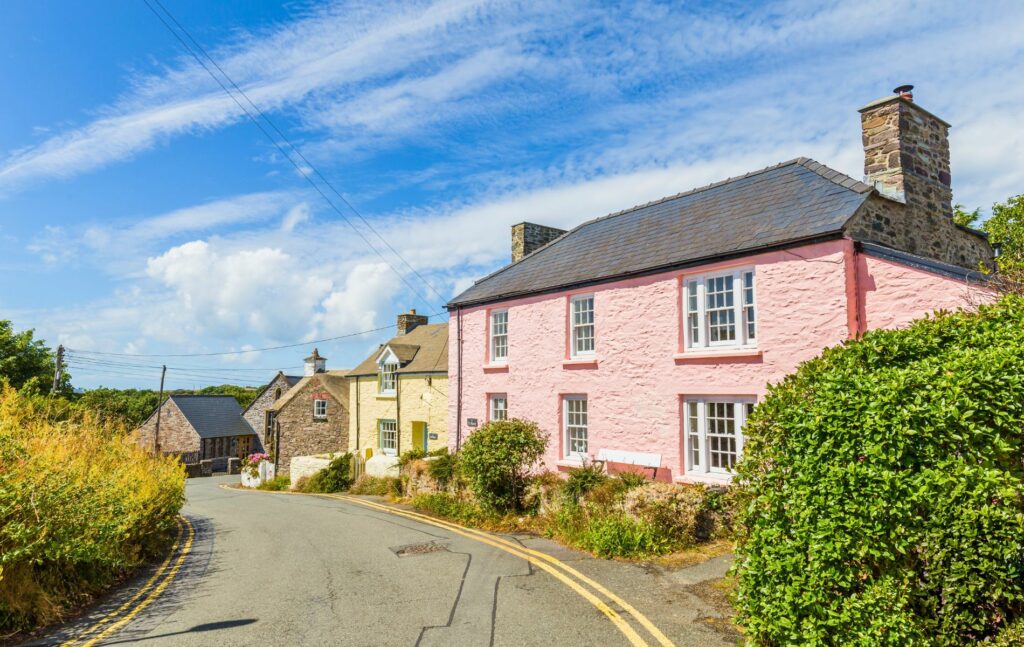
Housing ranges from colour-washed terraces and stone cottages in the centre to farmhouses and coastal houses on the lanes towards Whitesands Bay and Porthclais. With so few homes in the city itself, well-placed houses tend to draw keen interest when they come up.
There is no railway station, so daily life here is planned around the car, with Haverfordwest the nearest town for larger shops and onward rail connections.
St Asaph in Denbighshire is the UK’s second-smallest city, with around 3,500 residents at the 2021 census, and it was granted city status in 2012 to mark the Diamond Jubilee.
Its medieval cathedral stands at the top of the High Street, and the Translators’ Memorial on the cathedral green recalls William Morgan, whose Welsh Bible appeared in 1588 and who later served as bishop here.
The city lies between the rivers Elwy and Clwyd, with the hills of the Clwydian Range and Dee Valley National Landscape rising to the east.
Property is a mix of Georgian and Victorian houses in the centre, newer family homes on the edges and farmhouses scattered across the Vale of Clwyd, which is where buyers looking for land and privacy tend to focus.
The A55 runs just to the north, putting the North Wales coast and Chester within easy reach, and Ysgol Glan Clwyd, a Welsh-medium secondary school, is in the city.
The City of London is England’s smallest city by population, with around 8,600 residents at the 2021 census, and its official boundary encloses a smaller area than that of any other UK city.
By day the Square Mile is a financial centre; at weekends it settles into a quiet residential quarter.
Most residents live in a handful of pockets, chief among them the Barbican Estate, whose listed towers and terraces surround lakes, gardens and the Barbican Centre, with smaller enclaves around Golden Lane and Smithfield.
Homes are almost entirely apartments, from original Barbican flats admired by enthusiasts of post-war architecture to conversions and newer buildings, and well-proportioned examples attract keen interest whenever they come up.
For those buying in London who want to walk to work and to an evening concert, few addresses are as well connected, with the Elizabeth line serving Farringdon, Moorgate and Liverpool Street.
The City of London School and the City of London School for Girls both sit within the boundary.
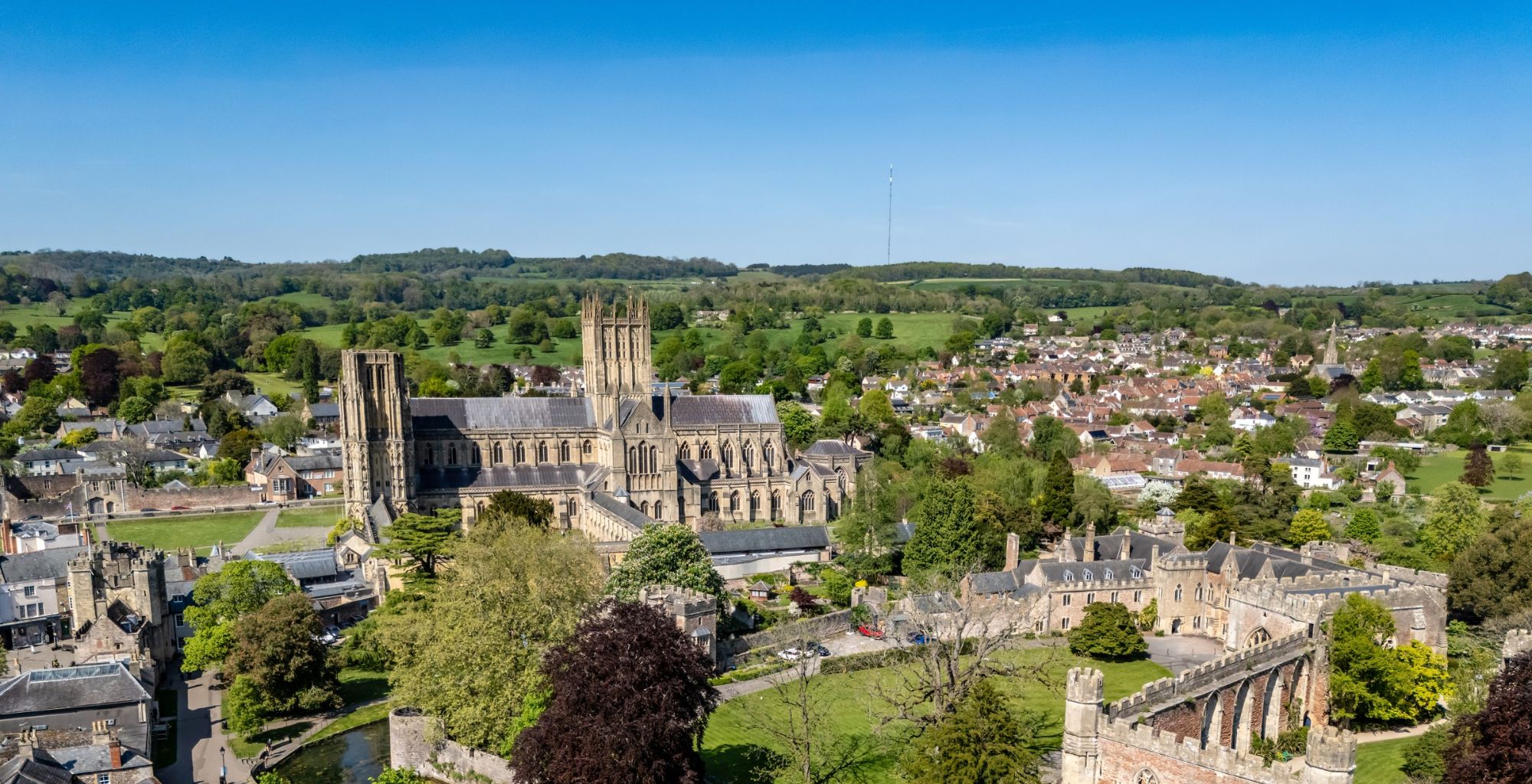
Wells in Somerset had around 11,000 residents at the 2021 census, and it is often described as England’s smallest city outside London.
Begun in the late 12th century, Wells Cathedral is widely regarded as one of the finest Gothic buildings in England, and beside it the moated Bishop’s Palace and its gardens give the city some of its most memorable views.
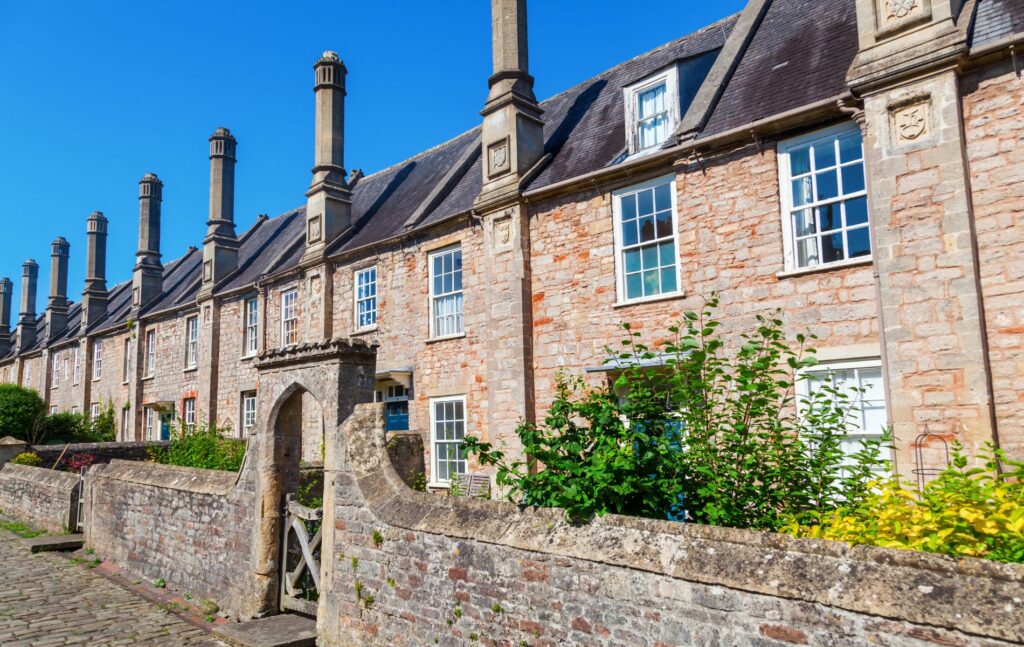
Vicars’ Close, thought to be one of the oldest residential streets in Europe, shows how long people have made their homes in the shadow of the cathedral.
The Market Place hosts regular markets, and independent shops and cafés line the streets that lead away from it.
Housing runs from Georgian townhouses and period homes near the cathedral to country houses in the villages along the Mendip Hills, a combination that brings Wells onto many searches for property in Somerset.
There is no station in the city itself, so most residents use Castle Cary or Bristol for rail travel. The city’s schools include Wells Cathedral School, which traces its history to 909, and The Blue School.
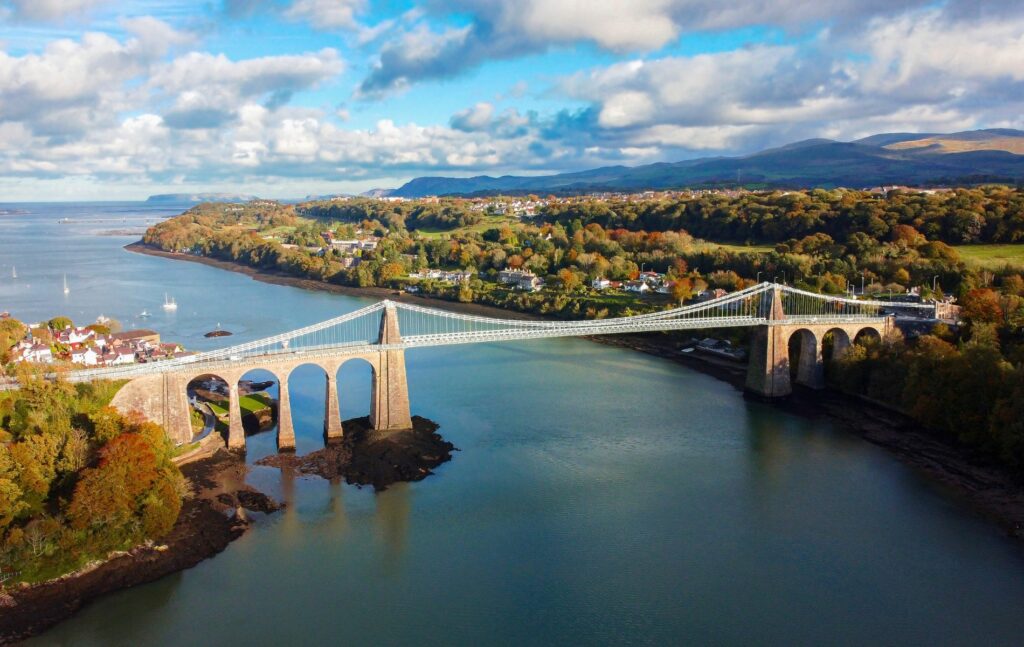
Bangor in Gwynedd belongs to a group of small cities with between 15,000 and 17,000 residents at the 2021 census, and it should not be confused with Bangor in County Down, which became a city in 2022.
Its cathedral occupies a site of Christian worship dating back to the sixth century, while Bangor University, founded in 1884, and its arts centre, Pontio, give the city a lively cultural calendar.
The Victorian Garth Pier reaches well out into the Menai Strait towards Anglesey, and Eryri National Park begins only a few miles inland.
Upper Bangor has substantial Victorian villas and terraces, and many buyers also look across the water to Menai Bridge and the Anglesey shore, or towards the villages at the foot of the mountains.
The city’s station, on the North Wales coast line, has direct services to London, and Ysgol Friars and Ysgol Tryfan are among its secondary schools.
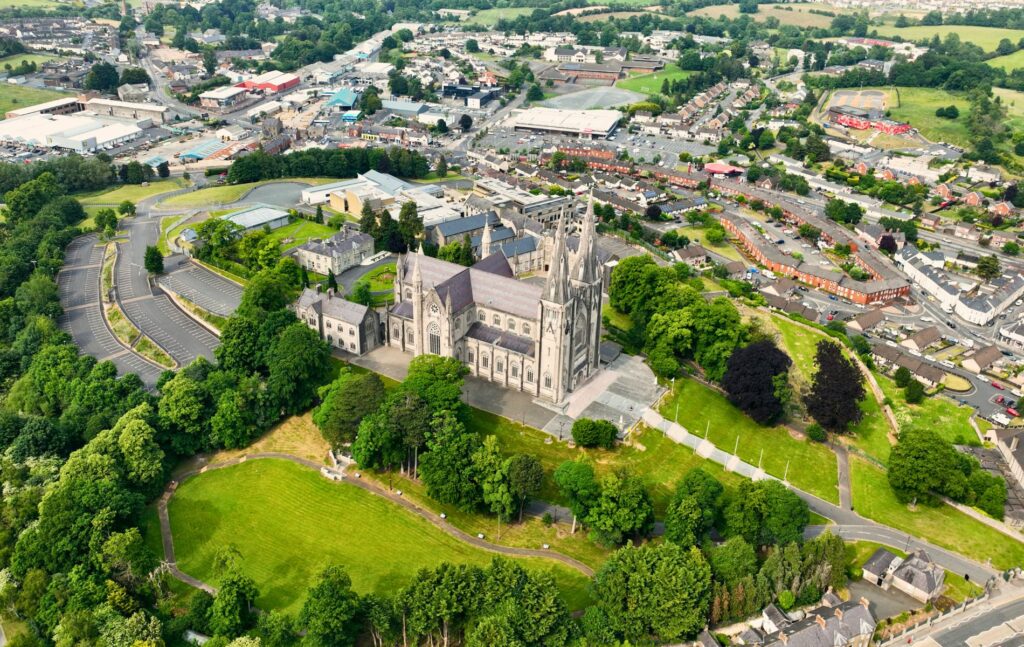
Armagh is Northern Ireland’s smallest city and part of the group with between 15,000 and 17,000 residents, recording around 16,000 at the 2021 census.
Two cathedrals, both dedicated to St Patrick, face each other from neighbouring hills, a reminder that Armagh is the ecclesiastical capital of Ireland for both the Church of Ireland and the Catholic Church. Its city status was restored in 1994, and a Lord Mayoralty followed in 2012.
Armagh’s Georgian architecture is its great pleasure, with handsome terraces looking onto The Mall.
Armagh Observatory, founded in 1789, still works from its site on the hill above the city.
Housing ranges from Georgian townhouses and Victorian villas in the centre to farmhouses and country houses with generous grounds in the orchard country around the city.
The city has no railway station, but Belfast is within comfortable reach by road, which suits anyone buying in Northern Ireland who wants period architecture and a strong sense of place. The Royal School Armagh is one of the city’s long-established schools.
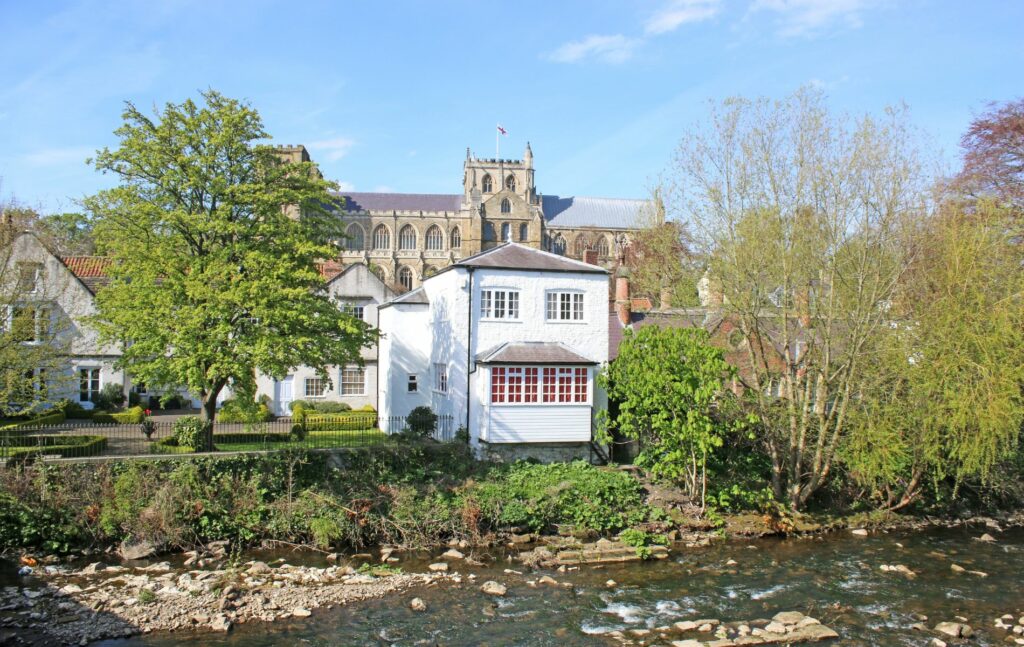
Ripon in North Yorkshire is one of the smallest cities in the UK, with between 15,000 and 17,000 residents at the 2021 census.
Above the city rises Ripon Cathedral, with a Saxon crypt dating back to the seventh century, and each evening the Hornblower sets the watch in the Market Square, a tradition kept for centuries.
On the edge of the city lies Ripon Racecourse, and Fountains Abbey and Studley Royal, a World Heritage Site, is a short distance to the west.
Georgian and Victorian townhouses and villas make up much of the period housing, and those wanting more space often turn to the villages between the city and Nidderdale National Landscape.
Rail travel means an easy drive to Harrogate or Thirsk, since Ripon has no station of its own, while Ripon Grammar School is within the city.
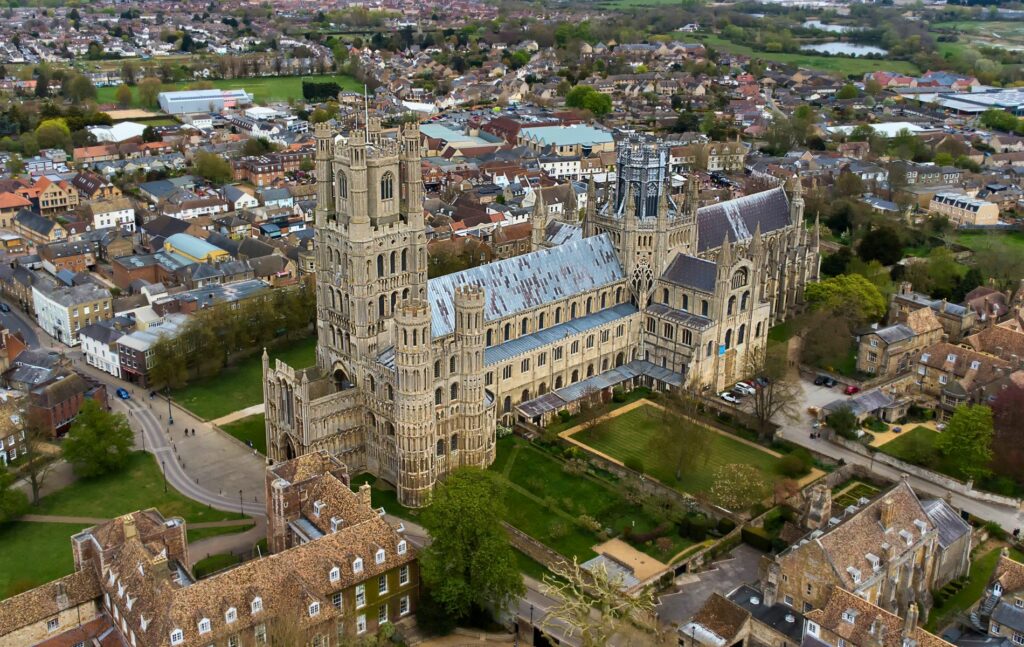
Ely in Cambridgeshire had around 20,000 residents at the 2021 census, which places it among the smallest cities in the UK while giving it more amenities than its size might suggest.
Ely Cathedral, known locally as the Ship of the Fens, can be seen for miles across the flat country around it, and its Octagon is widely regarded as one of the great achievements of medieval building.
Oliver Cromwell’s House recalls the years he lived in the city, and the Bishop’s Palace, begun in the 15th century, is now part of King’s Ely, a school that traces its origins to 970.
The riverside along the Great Ouse, with its marina and towpath walks, is one of the most pleasant corners of Cambridgeshire.
Buyers tend to look at period houses near the cathedral and the river, and at the villages around the city that share its wide fenland views.
Ely’s station is a busy junction with direct trains to Cambridge and London, and Ely College is in the city.
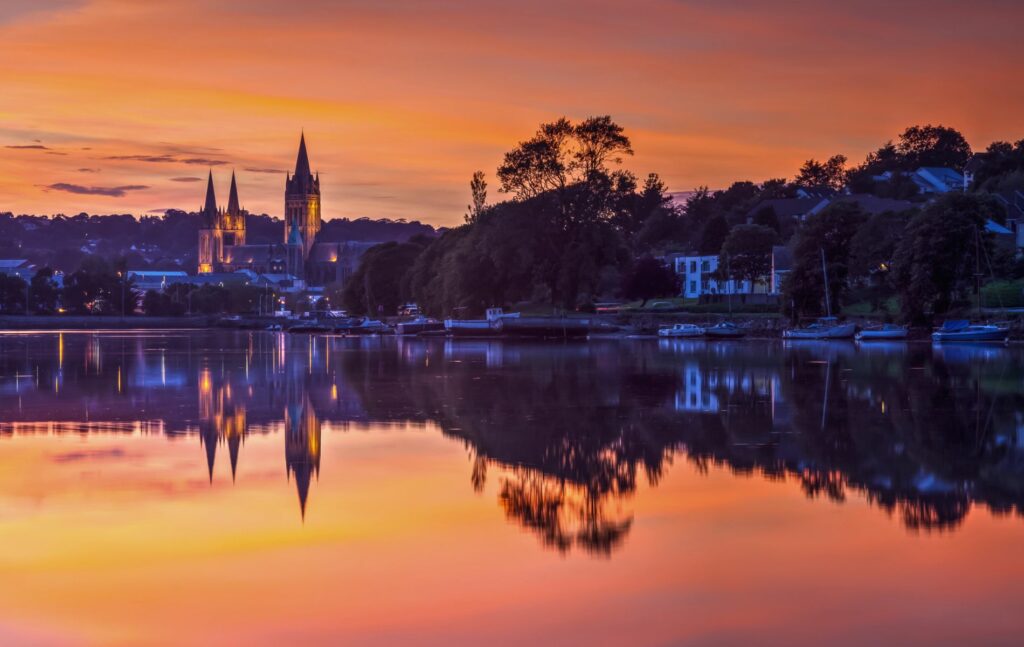
Truro is Cornwall’s only city, with just over 20,000 residents at the 2021 census.
The city’s cathedral, built between 1880 and 1910 in the Gothic Revival style, gives the centre its three spires, and Lemon Street, regarded by many as one of the finest Georgian streets in Cornwall, climbs away from the river.
The Hall for Cornwall and the Royal Cornwall Museum give the city a cultural life that reaches well beyond its size.
Property includes Georgian townhouses and Victorian villas, and for many buyers the waterside villages along the Truro River and the Fal, from Malpas to Feock, offer creekside living within a short drive of the centre.
A mainline station provides direct services to London Paddington, and Truro School and Truro High School for Girls are both in the city.
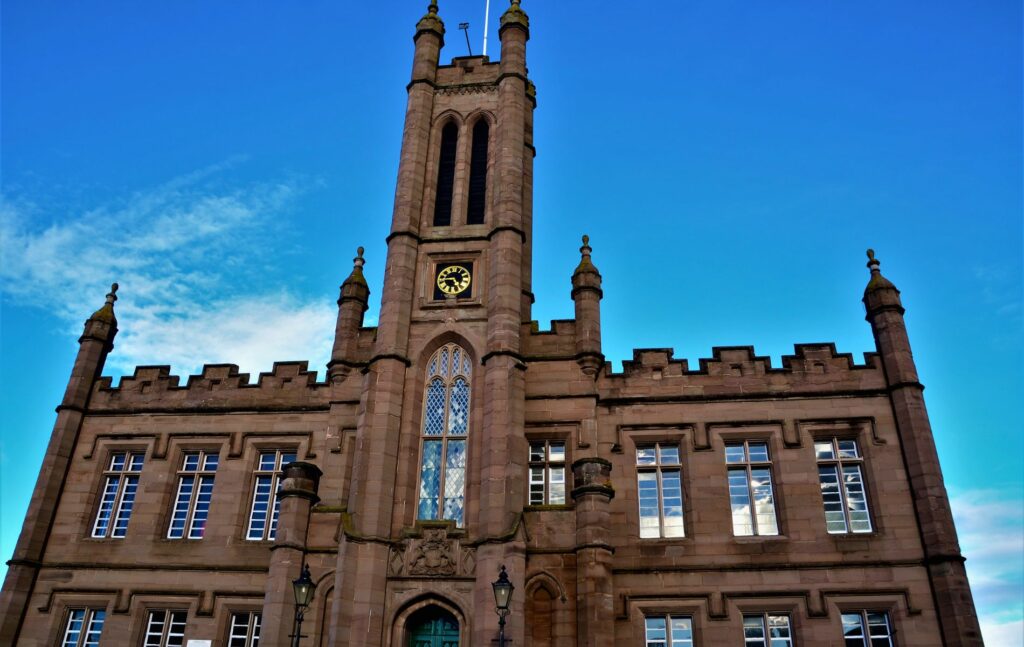
Brechin in Angus often appears among the smallest cities in the UK, but it has no official city status, and the smallest of Scotland’s official cities by population at the 2022 Scottish census was Stirling.
The name endures because of Brechin Cathedral, whose medieval fabric dates largely from the 13th century, and the slender round tower beside it, built around 1100 and one of only two Irish-style round towers in Scotland.
Brechin’s role as the seat of a medieval diocese gave it the standing of a city for centuries, and the title lives on locally, not least in the name of its football club, Brechin City.
Brechin Castle stands above the River South Esk, and the Caledonian Railway runs heritage services from the Victorian station.
Stone-built townhouses and farmhouses in the surrounding Angus countryside make up much of the housing, and the A90 links the town with Dundee and Aberdeen, with a mainline station at nearby Montrose.
Stirling, granted city status in 2002, is a place of a different scale, with its castle and Old Town set on a crag above the River Forth, the Wallace Monument on the hill beyond and good rail links to Edinburgh and Glasgow.
Brechin High School serves the town, and for buyers considering a move north, Garrington Scotland can advise on the wider market.
Buying a home in one of the smallest cities in the UK brings city amenities at the scale of a town, often with a cathedral, an arts venue, good restaurants and open countryside or coast close at hand.
That combination appeals to a wide range of buyers, from families looking for schools and space to those leaving larger cities who want culture without the congestion. The appeal is close to that of the best small towns, with the added draw of civic history and, in most cases, a cathedral at the centre.
Supply is the main consideration, because small cities have small historic cores.
The most desirable streets in a small city hold a limited number of homes, and each can attract keen interest.
That is as true of the Georgian terraces near a cathedral as of the period houses with views of the river or the hills.
Some period properties are listed or sit within conservation areas, and while these designations protect the character that draws buyers in, they can affect what may be altered, so local advice before committing to plans for change is worthwhile.
Some homes are also introduced to buyers before they are marketed more widely, which is where a buying agent’s local knowledge and network of agents and other property professionals can make a real difference.
Whichever of the smallest cities in the UK appeals, the questions that shape a good purchase are local ones: which streets keep their character, where the best homes come from and how quickly they are sold.
If you are considering a home in a small city anywhere in the UK, we would be pleased to hear about your plans and talk through how we can help. Please get in touch for a no-obligation conversation.
St Davids in Pembrokeshire is the smallest city in the UK, with fewer than 2,000 residents at the 2021 census, and the smallest by built-up area too. City status is not determined by population, which is why a place of village scale can hold the title.
At the 2021 census, the smallest cities in the UK by population included St Davids, St Asaph, the City of London and Wells, followed by Bangor, Armagh and Ripon, and then Ely and Truro. The order can differ depending on whether official boundaries or built-up areas are measured.
The City of London is England’s smallest city by population, with around 8,600 residents at the 2021 census, and its official boundary encloses the smallest area of any UK city. Wells is often described as England’s smallest city outside London.
Stirling was Scotland’s smallest official city by population at the 2022 Scottish census. Brechin in Angus is often called a city for its cathedral and medieval diocese, but has no official city status.
St Davids is the smallest city in Wales and the UK, followed by St Asaph. Armagh is the smallest in Northern Ireland, with around 16,000 residents at the 2021 census.
City status is granted by the monarch on the advice of ministers. Many older cities owe their status to a cathedral, but a cathedral alone does not make a place a city, and recent grants have come through jubilee competitions.
On Thursday 15th October, guests filled The Lansdowne Club in Mayfair to mark 30 years of Garrington, with an...
The best places to live in Surrey each give a buyer something specific: a fast train into Waterloo, a...
When searching for a property with stables, the natural instinct is to begin with the house: the kitchen, the...
The common mistakes property buyers make are rarely dramatic. More often, they are small misjudgements early in a search...